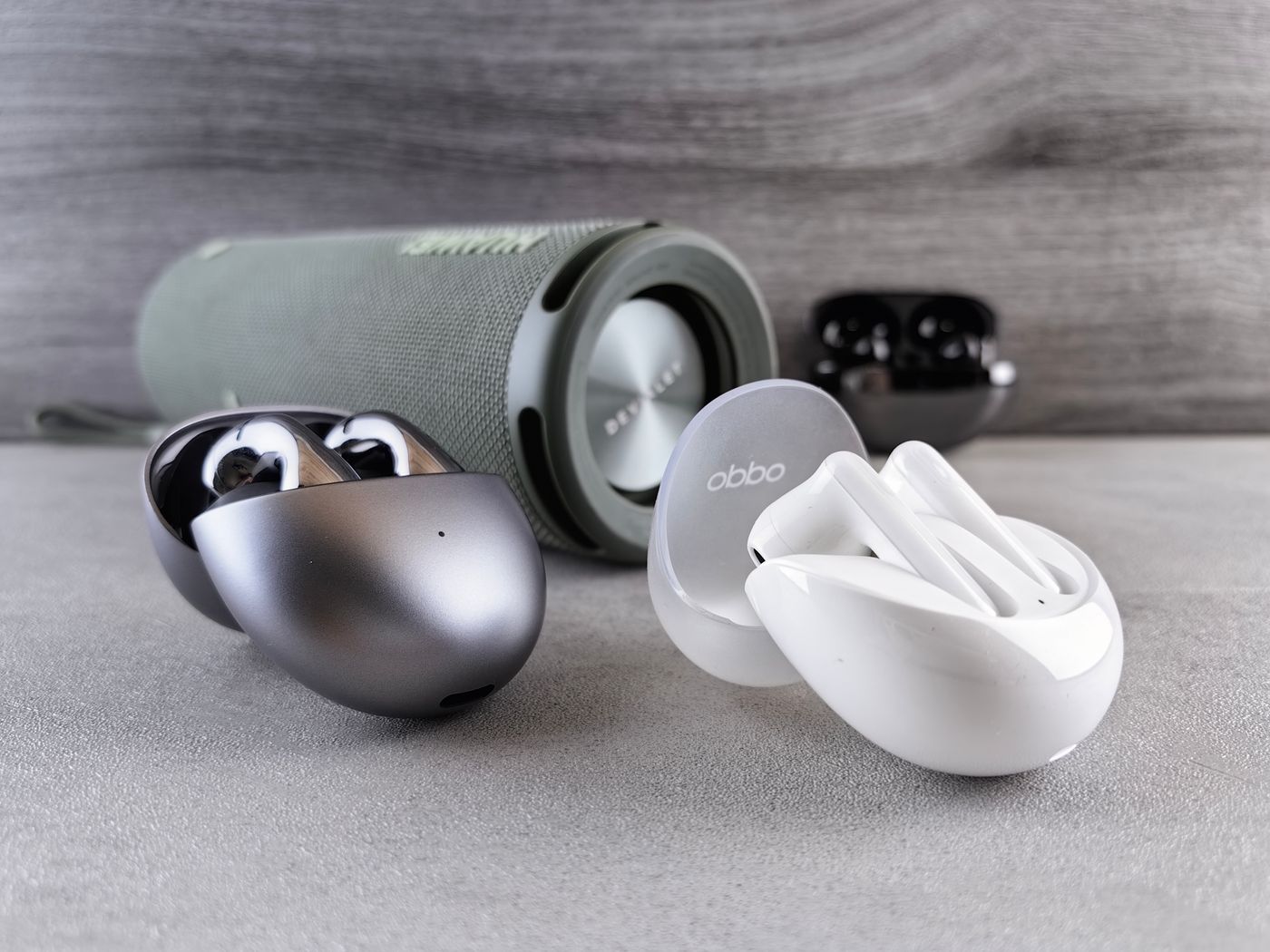
A speaker moving between kitchen and study needs different qualities from one with a permanent position. Start with the rooms and how you listen. Maximum volume is not automatically the most important feature for everyday home use.
Connect use with placement
Record whether the main purpose is speech, background music or focused listening. Identify suitable positions that do not obstruct work surfaces. Portability helps only when the speaker has an appropriate place in frequently used rooms. Follow placement requirements and protect it according to its actual ratings rather than assumptions about appearance.
For frequent carrying, consider grip, weight and shape. A battery can simplify moves but needs a consistent charging arrangement. At a permanent position, suitable mains power may matter more than a large battery reserve. Compare construction against that difference rather than automatically favouring the longest advertised runtime.
Verify the intended connections
Check supported connections with existing phones or other sources. If several people take turns selecting music, switching should be understandable. A multi-device feature helps only when it supports the actual routine. Read how pairing and reconnection work.
If two speakers should operate together, establish the explicitly compatible models and intended mode. A similar brand name or shared wireless technology does not prove arbitrary devices can play together. Buy the second unit only when that exact combination is documented. This avoids paying for a feature the planned pair cannot provide.
Keep basic controls accessible
Find which functions operate directly on the speaker. Volume and pause should be accessible without always locating a phone. An app may provide additional settings but is different from basic controls. Check its requirements if it is essential to the intended use.
Finally, compare suitable models through listening, handling and complete accessories. Do not invent sound judgements from specifications alone. A compact speaker with understandable buttons and a sensible charging position can suit several rooms better than a larger unit that ultimately never moves. The purchase should follow the places and listening situations you actually use.