A baking project often starts with a recipe photograph and ends with several open packages in a cupboard. Between those points is a purchasing decision: how much will actually be baked, which ingredients are already available and where can the remainder be used? Answering those questions before shopping makes it easier to choose between small packs and pantry quantities.
First establish the number of people and the occasion. A large tray is not automatically useful when only a few portions are needed. Equally, planning too little can prompt another shopping trip once additional guests are confirmed. Work with a concrete target rather than trying to consume every purchased package in one session.
Match the recipe to the equipment
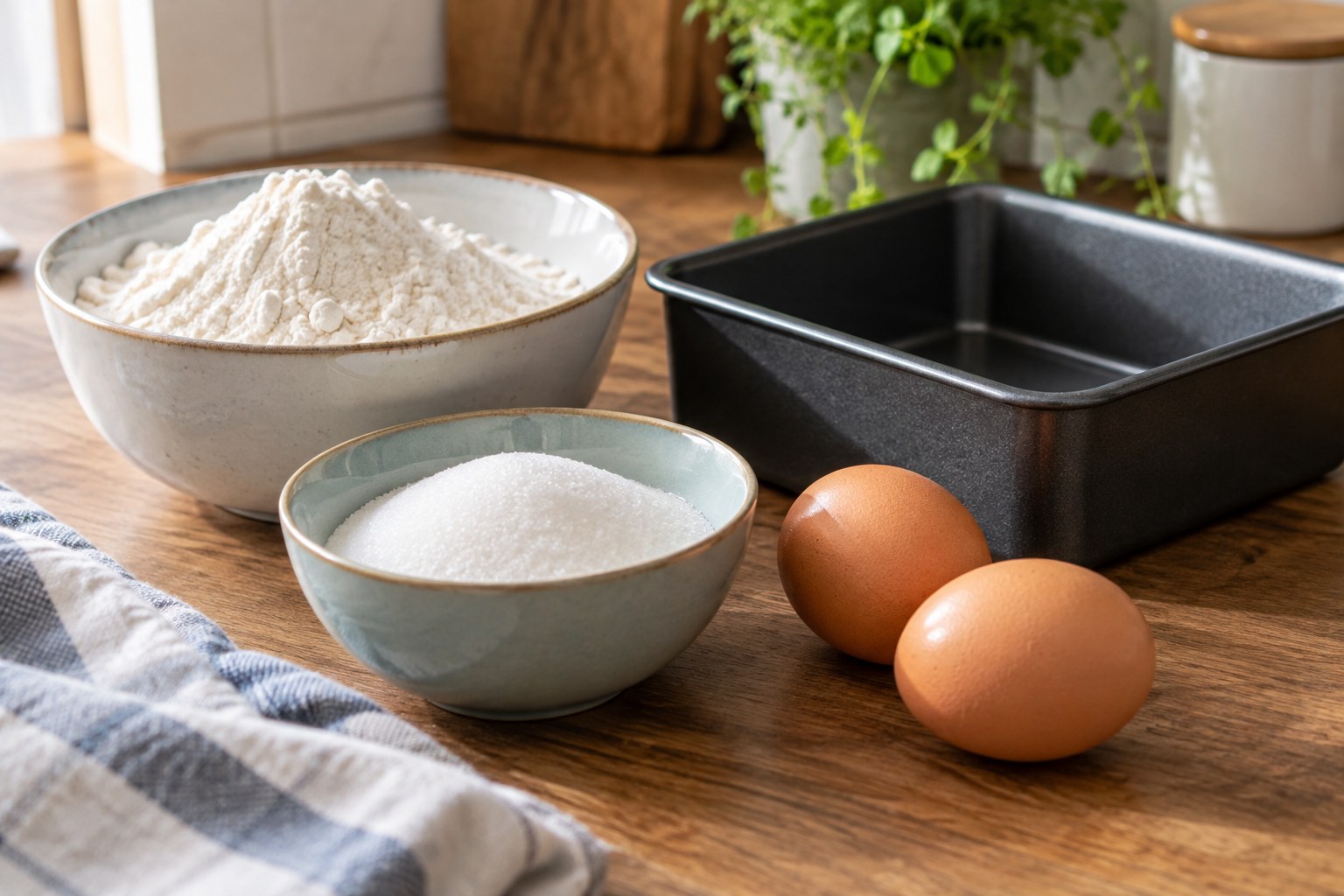
Check the tin size specified by the recipe. A different tin changes more than the number of slices, so a recipe should not be scaled merely to suit the flour package. If another quantity is needed, use an appropriate recipe version or a supported adjustment from its source.
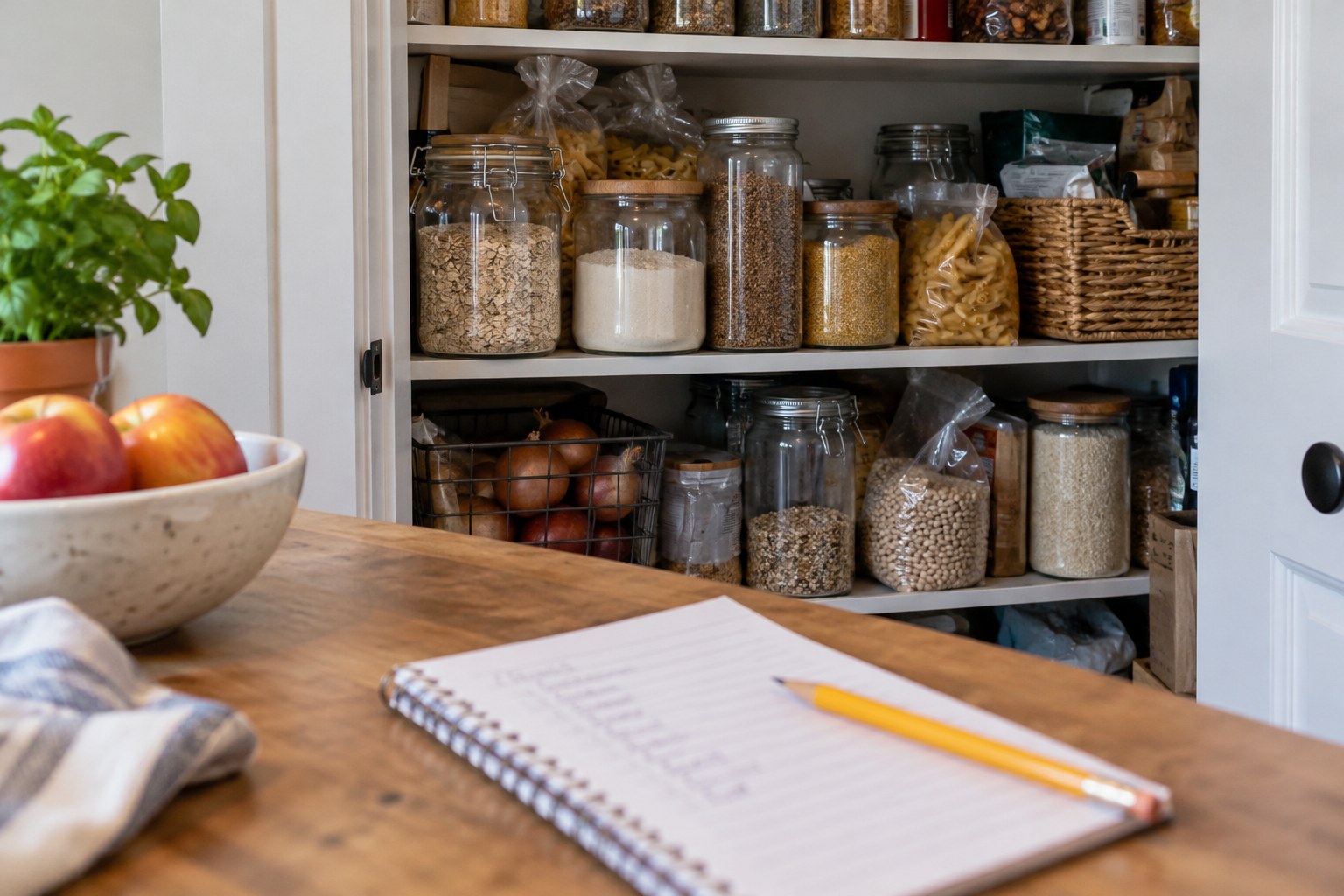
List the ingredients and required amounts, then mark what is already available. Open packages need checking: is there enough, and is it still suitable to use under the stated storage conditions? An almost-empty bag in the cupboard does not reliably cover the required amount.
Pay attention to ingredients used in small quantities. Spices, decoration and specialist flavourings can collectively account for a substantial part of the basket even when they look minor in the recipe. Ask whether that exact option is needed. Do not substitute functionally important ingredients at random simply to avoid buying something.
Separate recipe quantity from shopping quantity
There are two lists. The recipe list contains the grams or number of items required. The shopping list contains the packages actually available. The difference is stock that needs space and a later use.
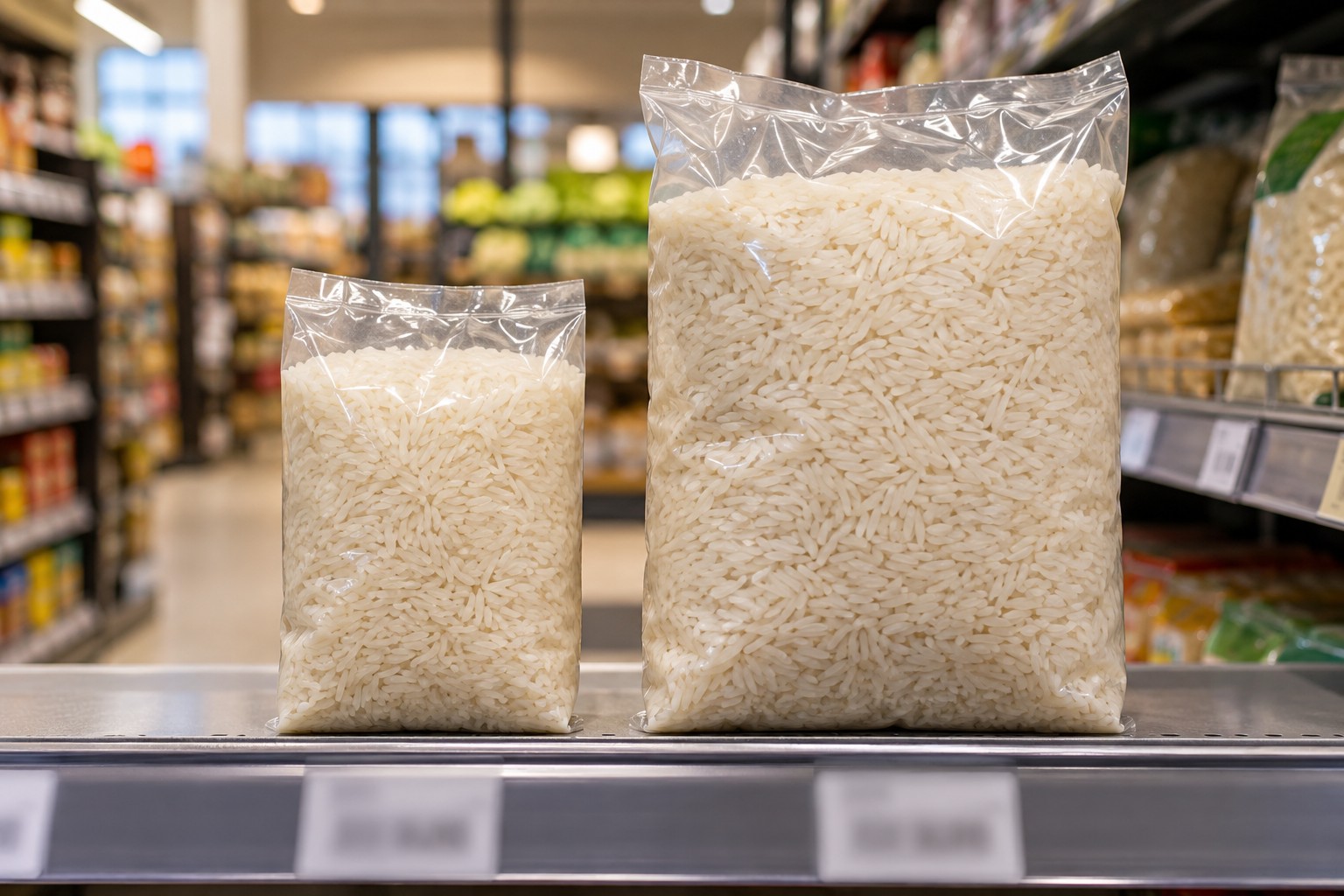
Consider an invented example: the project requires 150 grams of an ingredient. A small pack contains 200 grams and a large one 500 grams. The larger pack's better kilogram price also applies to the 350 grams not initially needed. Without another planned use, the smaller pack can fit the purchase better despite a higher unit price.
If choosing a large quantity of an unusual ingredient, name a specific second use. “Bake again sometime” is less useful than a recipe already planned. However, that plan should not trigger a chain of additional purchases made solely to justify the original saving.
Assess accessories separately
Baking paper, liners and decoration belong to the overall project even when they are not ingredients. Check which suitable tools are already available. A new tin may be a one-off purchase, while paper liners are consumed for each batch. Do not quietly combine these different kinds of cost.
A single event does not automatically require a complete new baking setup. Consider whether existing suitable tins fit the chosen recipe or whether another recipe would avoid an extra purchase. That is different from putting a recipe into an unsuitable tin without checking.
Put two planned bakes on one shopping list
When two baking projects are genuinely planned within an appropriate period, shared ingredients can be considered together. Record each recipe's quantities separately first and combine only ingredients that are actually identical. A differently specified chocolate or flour should not quietly become interchangeable. The shopping quantity follows the recipes, not the other way round.
Then compare the available package combinations. Two modest packs may meet the requirement more closely than a very large one, even when the larger pack has a lower unit price. A shared ingredient must remain usable for the second planned occasion under its storage instructions. An undefined future project is not a dependable basis for that assumption.
For example, the list may contain sugar for a cake and the same type of sugar for another bake already scheduled. Those quantities can be purchased together. The cake decoration remains a separate decision because it has no role in the second recipe. This produces a targeted combined shop without inventing another baking project to justify every remaining ingredient.
After baking, record the number of portions produced, the quantity left over and the pack sizes that would suit a repeat. Those observations make the next shopping trip more concrete. A successful bake can still call for a different purchasing quantity from the one originally imagined.