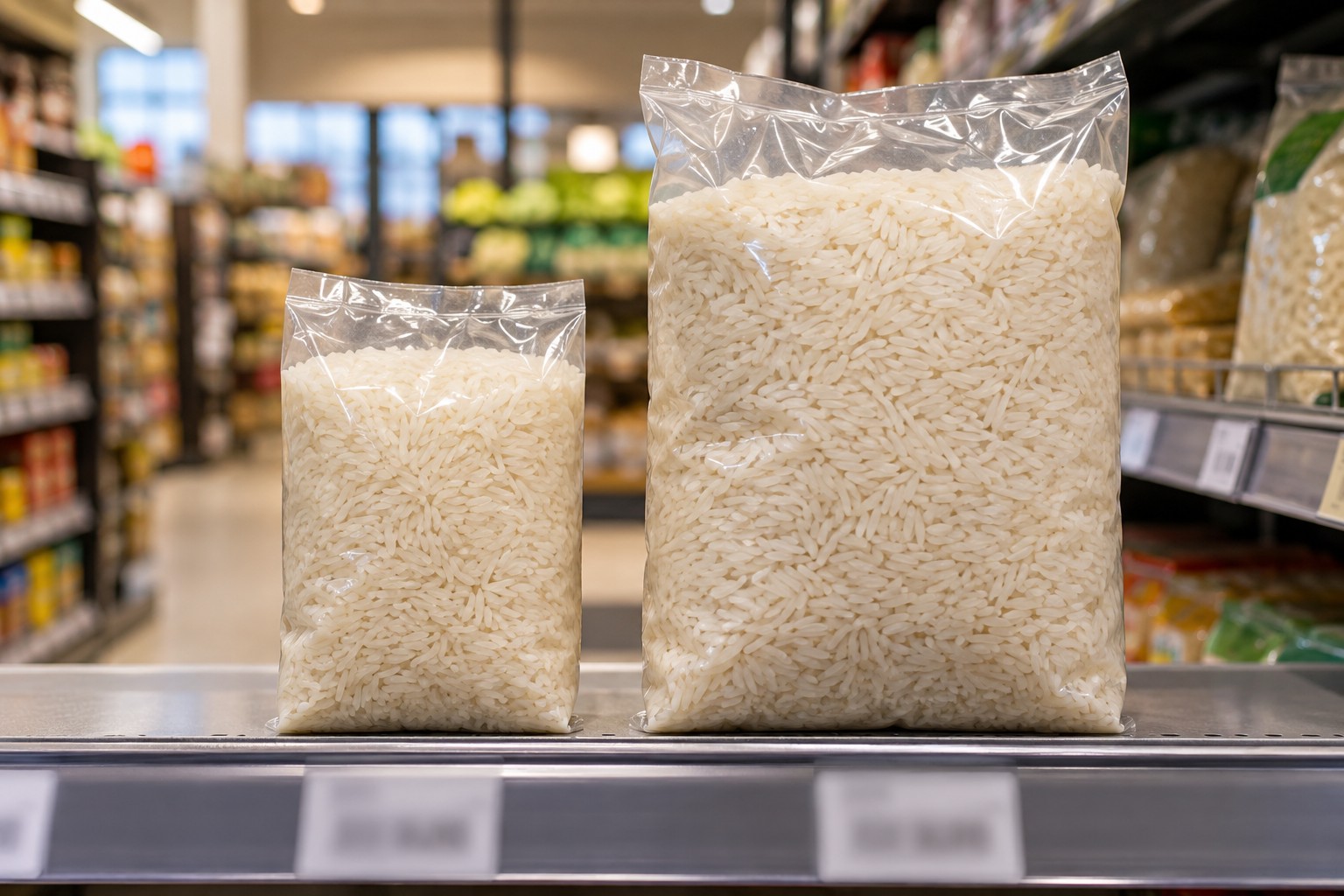
Shampoo, shower gel and similar toiletries often show an attractive litre price on a large bottle. The purchasing decision also depends on how many products are open at once and how quickly each variety is used. Stock can move slowly even when the overall category is used every day.
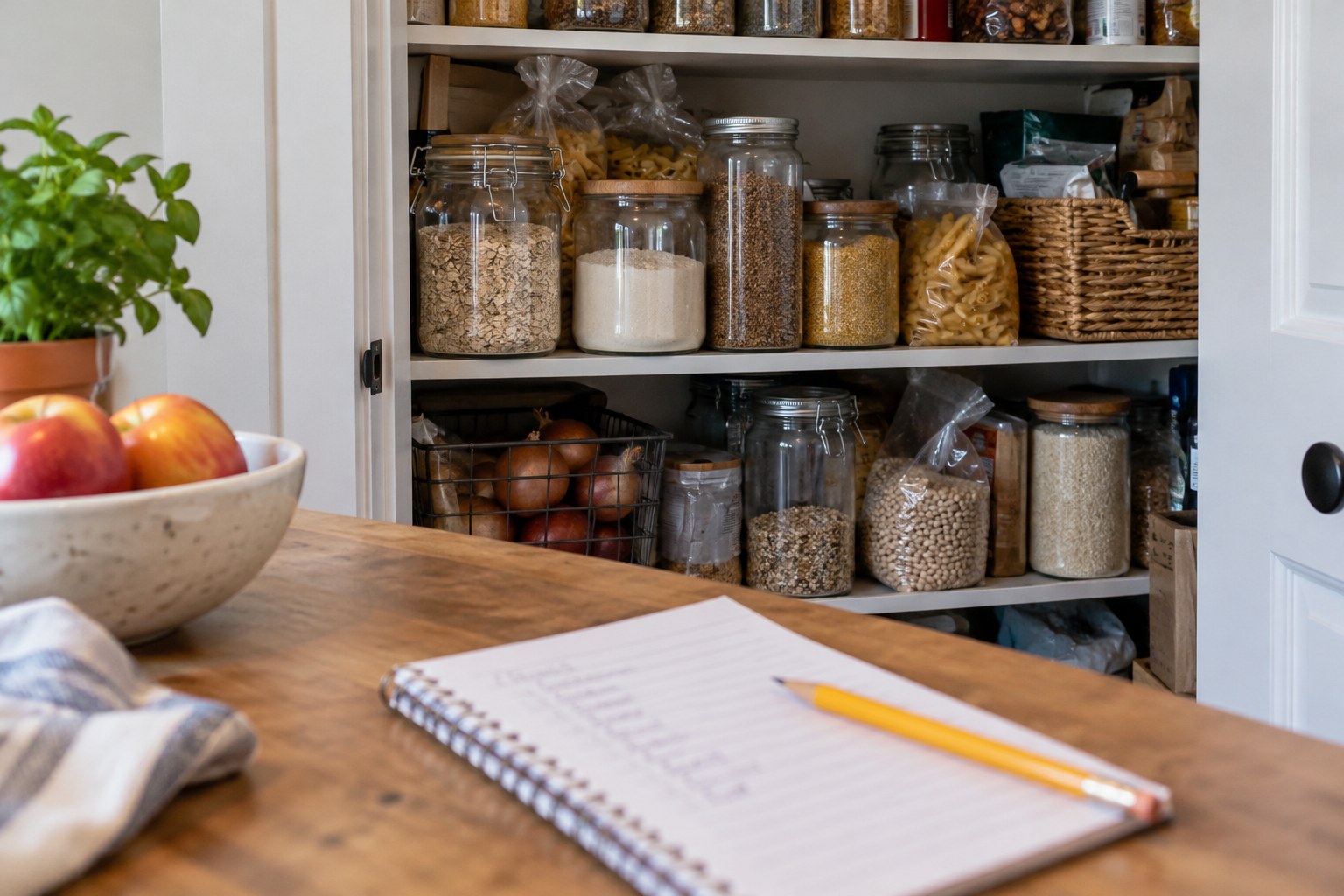
Begin with the products already open. Which are used regularly, and which remain for occasional use? This inventory is not an instruction to finish unsuitable products or anything no longer appropriate to use. Follow the labelling, storage directions and information about use after opening.
Try unfamiliar options in modest quantities
With a new variety, you do not yet know whether the fragrance, texture and handling suit you. A small pack can therefore be a sensible first purchase. A multipack of several bottles is harder to assess before any has been used in the normal routine.
Where a product is selected for a health-related reason, a price calculation should not replace professional advice. This article concerns purchasing quantity, not treating skin or hair conditions. Avoid buying several unfamiliar products at once merely because they are sold as a coordinated range.
Consider the packaging too
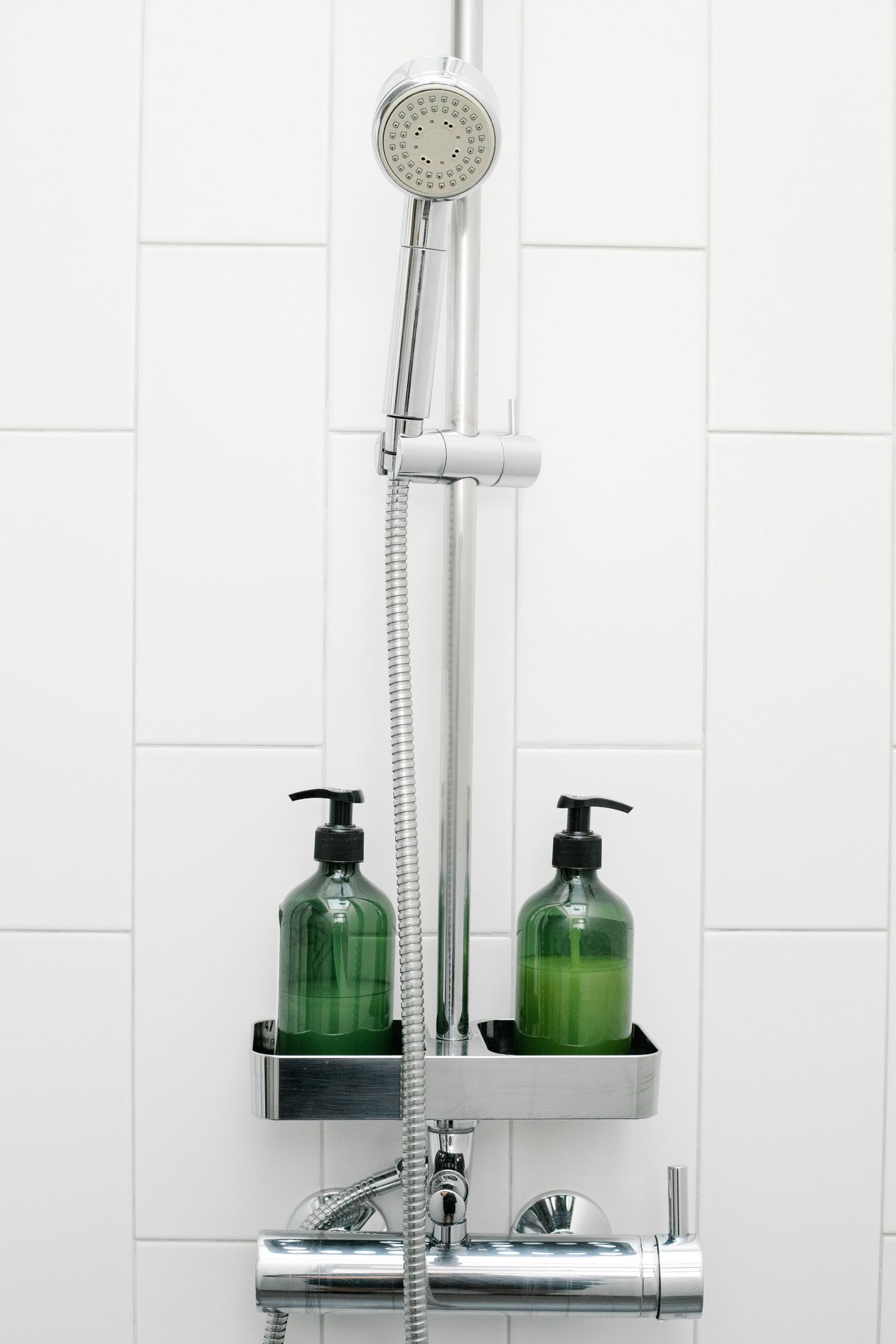
Pumps, tubes and screw-top bottles are handled differently. Check whether the product can be dispensed conveniently in its intended location and whether the bottle stands securely. A heavy bulk bottle may be awkward in a small shower despite its lower unit price.
Travel sizes have a different purpose from household reserves. Do not judge only the litre price when a smaller package is needed for a particular journey or short stay. Equally, a travel pack should not become the routine replacement size without reconsidering the need.
For frequently used products, note the approximate opening and finishing dates. One or two completed packs can provide a useful guide to replenishment. Include other people who share the same bottle.
A manageable collection of suitable products makes this easier to estimate. When a promotion encourages several varieties, those bottles share the same future demand. Buying more fragrances does not multiply the household's actual consumption.