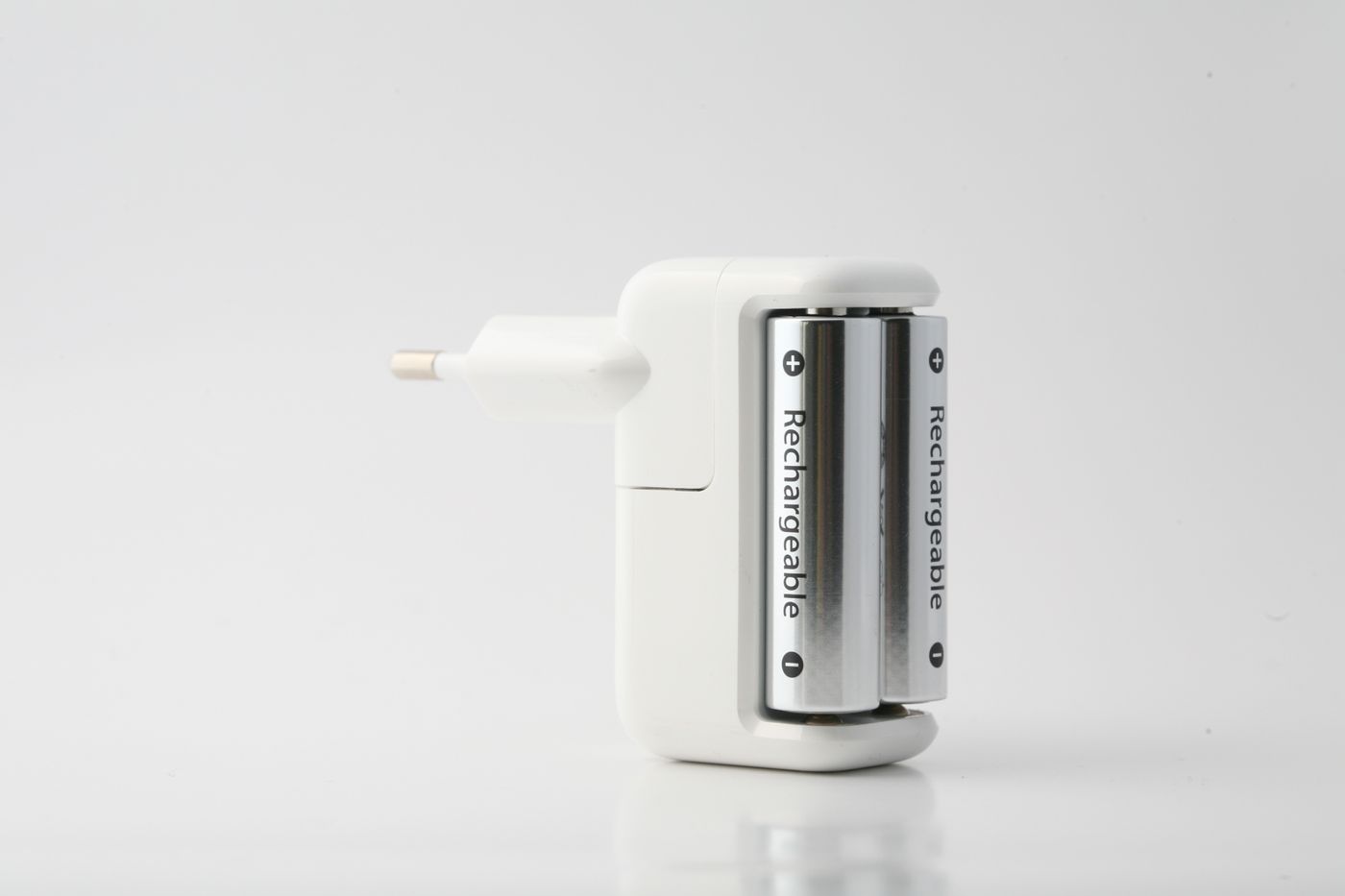
An inexpensive pack of rechargeable batteries is not useful if the charger you own is unsuitable. Begin with the devices that need power. Record the cell size, quantity and power sources permitted in their instructions. Cells that look similar can use different technology. Only recharge batteries explicitly designed for recharging, using a charger approved for them.
Panasonic provides compatibility information for its rechargeable batteries and chargers. Use manufacturer guidance for the actual combination rather than assuming that matching slots establish compatibility. An AA slot does not mean that every rechargeable chemistry in that size can be charged. When labelling is unclear, asking a question is preferable to experimenting.
Work out the quantity
Count how many cells are in use together. Two remote controls with two cells each and a device needing four create a different requirement from one game controller. A spare set may cover charging time, but a large multipack ties up money and needs organised storage. Choose the quantity around the replacement pattern you actually observe.
Check how many cells the charger accepts together and whether individual slots can be used independently. Several visible compartments do not necessarily permit every arrangement you might want. The stated charging time should also fit your routine. Overnight charging opportunities may make speed less important, while frequent changes between devices can create a different need. Always follow the charging and supervision instructions supplied with the equipment.
Label separate containers for charged cells and those awaiting charging. This prevents repeatedly trying batteries whose status is unclear. Store and transport them as the manufacturer directs. Loose cells and metal objects should not share an improvised pocket or bag where their contacts can meet.
For the price comparison, add the batteries, charger and any necessary storage container. Compare that starting cost with your existing consumption, but do not assume a guaranteed number of future charge cycles. Actual service life depends on the application and handling. A small compatible system can be more economical than a large kit whose spare cells remain unused for years. Finally, retain the charger model number so that future battery purchases can be checked against the approved combination rather than selected by appearance alone.