An online grocery order cannot usefully be compared with one attractive shelf price. You are buying a basket under particular delivery conditions. A store visit has its own journey and constraints. A workable comparison therefore starts with the same planned list for both options.
Choose an ordinary shop rather than an unusually favourable exception. Record the products and quantities actually needed. Extra items discovered only while browsing online should not quietly enter the comparison. Otherwise, a different shopping quantity is being confused with a different purchasing channel.
Keep the baskets comparable
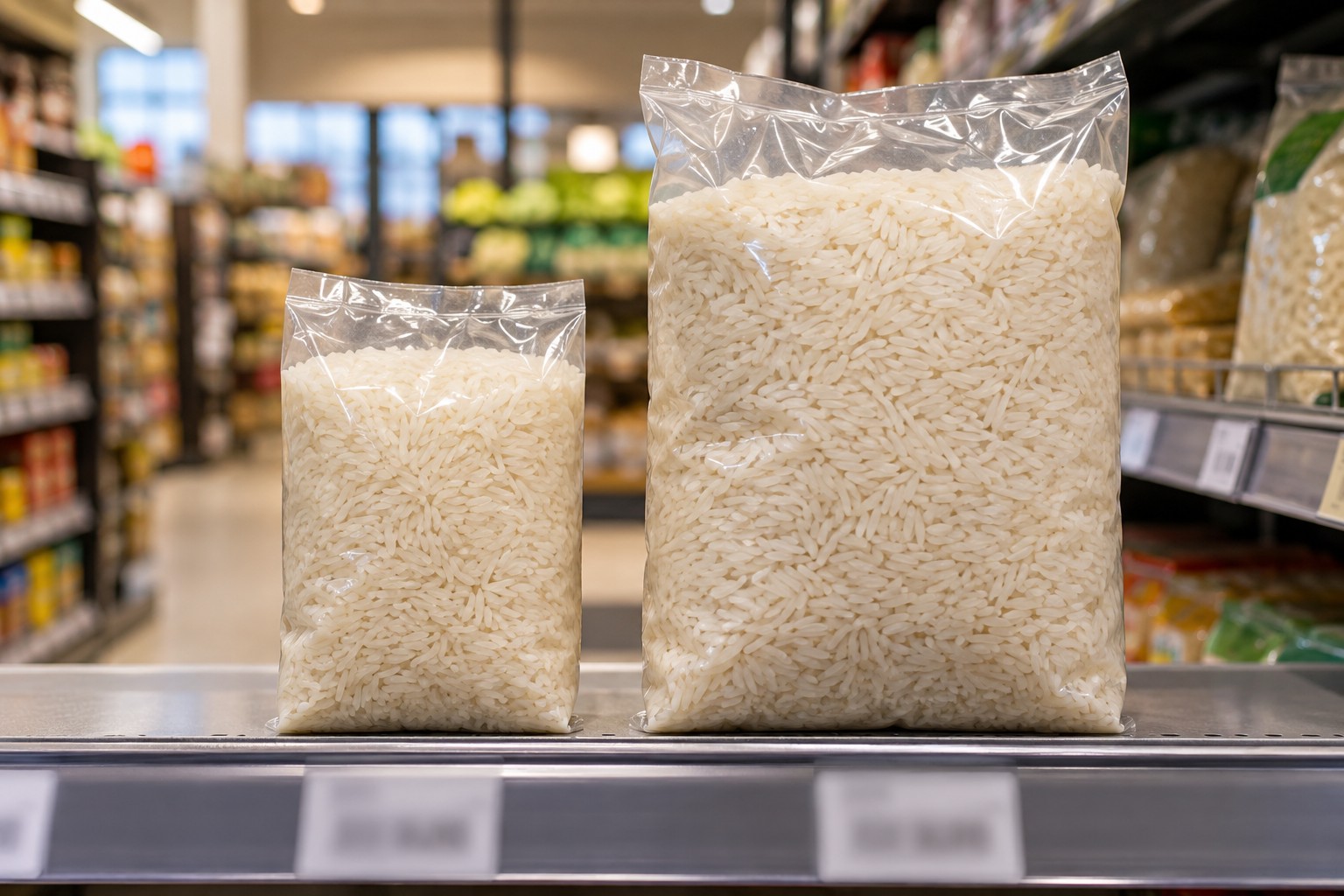
Find identical products or clearly identified equivalent alternatives. Record differences in package size. A larger online pack may lower the unit price while increasing the checkout total. Decide whether the additional quantity is useful before counting it as an advantage.
Check which items are available for delivery and whether part of the list would still need a separate purchase. Another store visit for several essentials changes the benefit of the delivery. Conversely, having heavy or bulky goods delivered can remove a specific difficulty for a household that is not visible in the product price alone.
Read the conditions for this order
Delivery fees, minimum spending and available slots may differ for the particular order. Check the current information before completing it. Include deposits and other listed amounts while distinguishing them from the cost of goods permanently consumed. An old order is not a guarantee of the next order's conditions.
How are unavailable items handled? Check whether substitutions are offered and how preferences can be recorded. Where a precise product is required, an unsuitable replacement can make another shopping trip necessary. A cheaper delivery then loses part of its expected benefit.
Plan who will receive the order during the selected period and how products will be stored appropriately afterwards. A slot that repeatedly conflicts with other commitments is not suitable merely because its fee is low.
Describe the store journey honestly
If shopping joins a journey already planned, do not charge it the cost of a separate trip. If it requires additional travel, include the actual extra expense. Time can remain a separate decision factor without assigning an invented hourly wage to it.
Consider carrying capacity and transport. A basket that cannot be brought home in one trip using the available transport differs from a short list. Shopping in person can also produce unplanned additions. Compare the intended baskets where possible and record deviations separately.
Review a real attempt
After an actual order, compare the planned quantities with what arrived. Were substitutes appropriate? Was another purchase needed? Did the time slot work? Those observations are more useful than assuming one shopping method must always cost less.
Combining methods by task can make sense: delivery for particular supplies and fresh selection during a store visit that happens anyway. That arrangement still needs a shared view of stock. Two purchasing routes should not become two unrelated supplies of the same products.