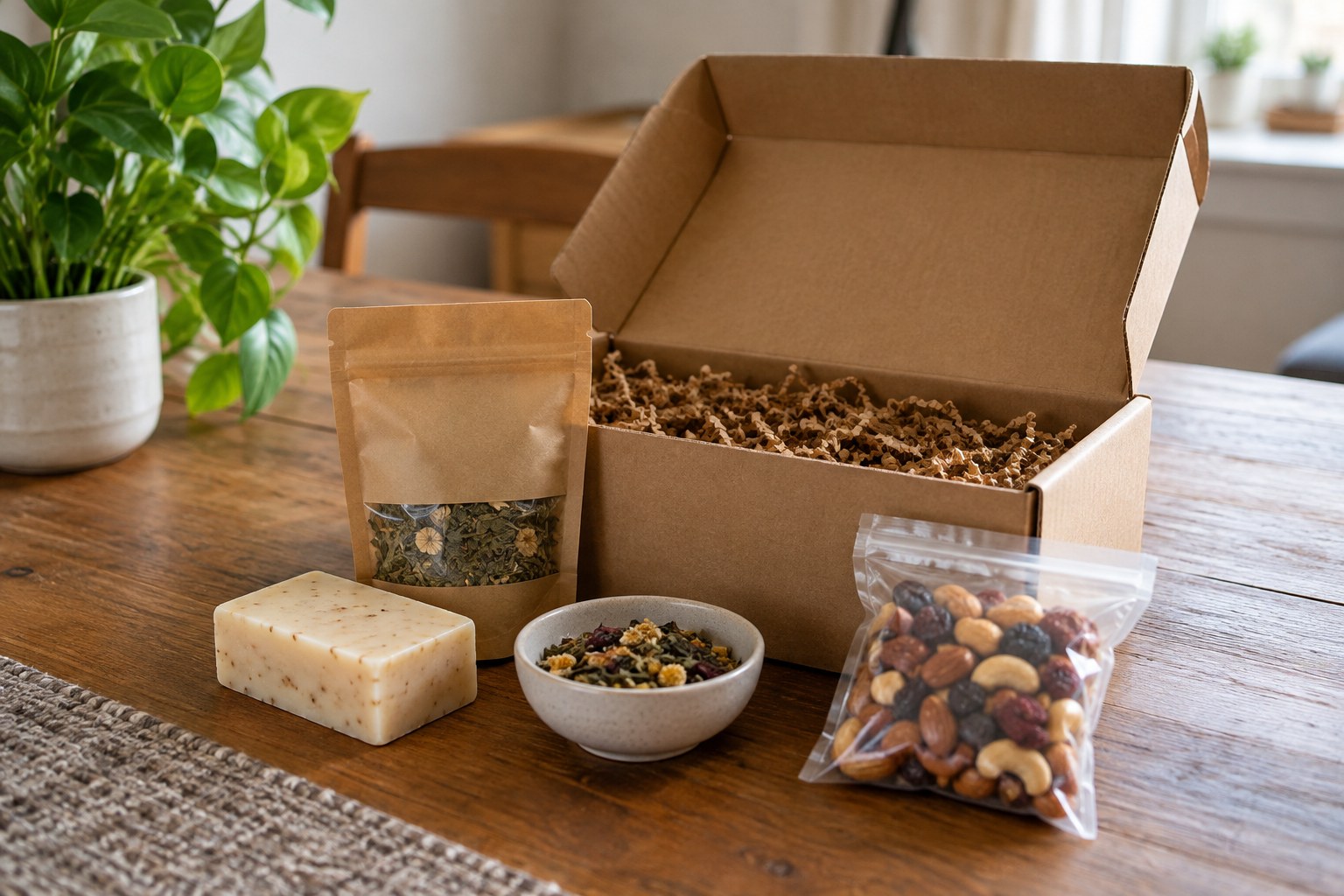
A subscription box combines products with regular delivery and sometimes an element of surprise. That experience may be desirable, but it differs from guaranteed shopping savings. Separate enjoyment of the selection from the value of things you actually use. A high stated combined value does not establish which household needs the box replaces.
Begin with the product category and previous consumption. How often do you normally buy these things, which versions suit you and which remain unused? With unknown contents, that assessment is necessarily limited. The uncertainty belongs in the decision rather than being concealed by an average list price for possible products.
Build a realistic comparison list
List the items you would deliberately buy without the box. Use suitable quantities and actual prices, not the most expensive conceivable alternatives. Add necessary delivery. Compare the total with the complete box price and chosen frequency. If the box arrives in addition to normal shopping, it initially represents another expense.
Do not automatically value unwanted contents at their stated retail prices. An item intended as a gift may be enjoyable, but replaces a planned gift purchase only when an appropriate recipient and occasion genuinely exist. Reselling later is not a guaranteed reimbursement either. The work involved and uncertain proceeds belong in that assessment.
Check choice and exclusions
Read how much control you have over contents. Are there fixed versions, a preference profile or options to exclude products? Establish whether these instructions apply firmly to the particular delivery or merely record general preferences. For individual intolerances or special requirements, vague personalisation cannot replace a dependable check.
Compare product sizes. Samples, travel sizes and full retail units perform different jobs. A low average amount per item can mislead when quantities differ widely. If the box is intended for discovery, assess that purpose explicitly rather than calculating as though it supplies all regular needs.
Match delivery rhythm to existing stock
Check whether delivered quantities can be used before the next shipment. Monthly deliveries can build an expanding stock when consumption is slow. Consider storage and any relevant shelf life. Another box is not a benefit when suitable items from the previous one remain untouched.
Read pause, change and cancellation conditions. A clear process matters particularly when demand varies. Check when an upcoming delivery becomes fixed or is charged. Set necessary reminders early and retain confirmations of changes instead of assuming that an edited preference has stopped a scheduled shipment.
Where a one-off box is offered without ongoing membership, it may provide a limited way to explore the format. Compare its actual conditions and total rather than assuming identical contents. One successful box does not establish that every future delivery will suit you, but it can reveal quantities, packaging and usefulness. Reconsider frequency afterwards. An isolated interest does not have to become a continuing order, particularly when the contents will take a long time to use.
After several boxes, make a simple review: used, deliberately gifted, still pending and unsuitable. Compare the amount paid with individual purchases genuinely replaced. If the surprise is the main attraction, it can be treated as leisure spending. An honest classification makes continuation or pausing easier to decide and prevents a growing unused inventory from continuing to be described as savings. The aim is to understand what you are paying for, not to force every enjoyable purchase into an economic claim.