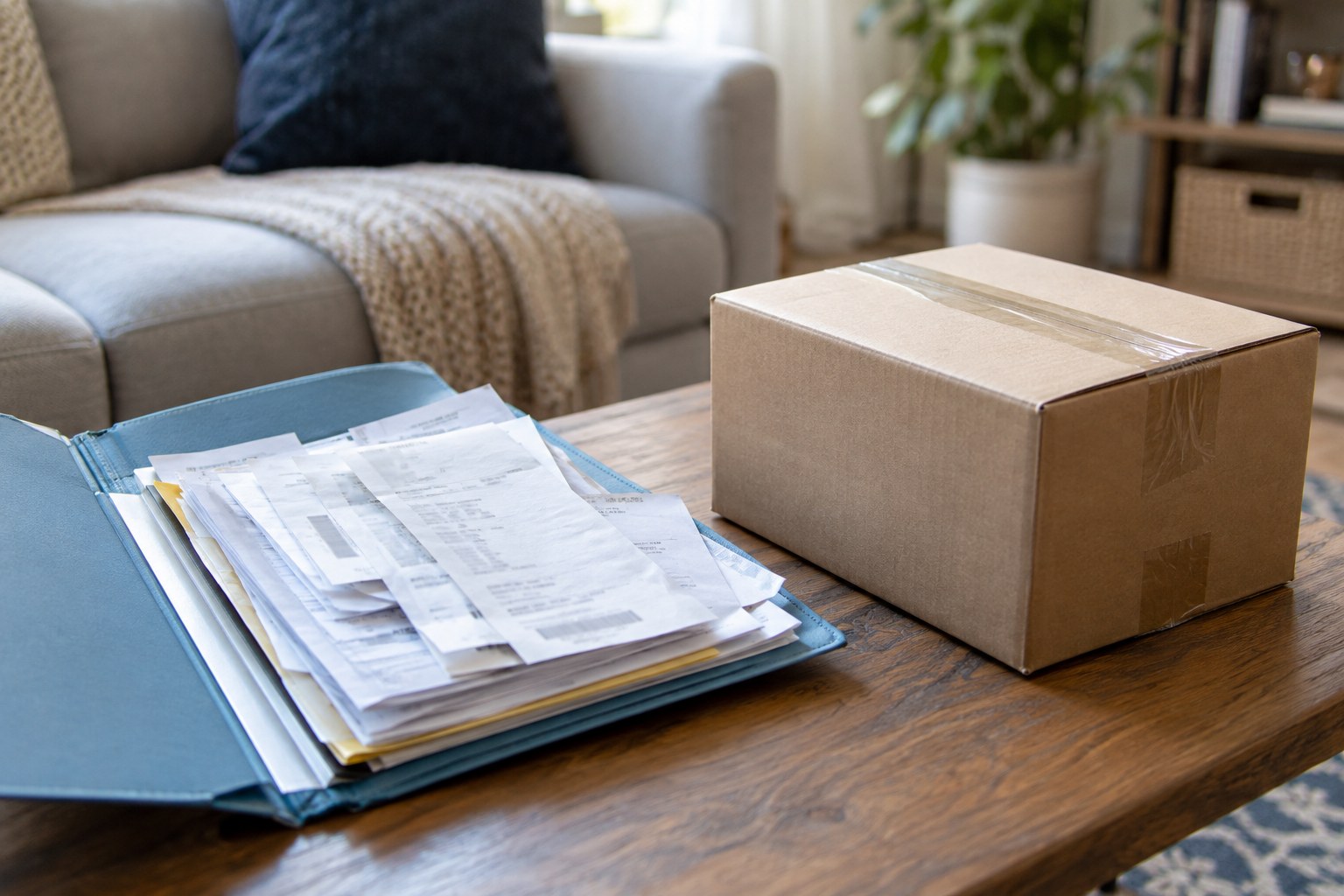
When an order raises a question, searching scattered messages can take longer than the enquiry itself. Keep a small connected record for important purchases. It need not be elaborate. Product description, order, delivery and later communication should clearly belong to the same transaction.
Save the order number, purchase date, seller and selected variant. Add the paid total and conditions associated with the offer. A link alone may be insufficient if the page changes or disappears. Keep relevant confirmations in your own filing system and avoid sharing personal information unnecessarily.
Inspect usefully on arrival
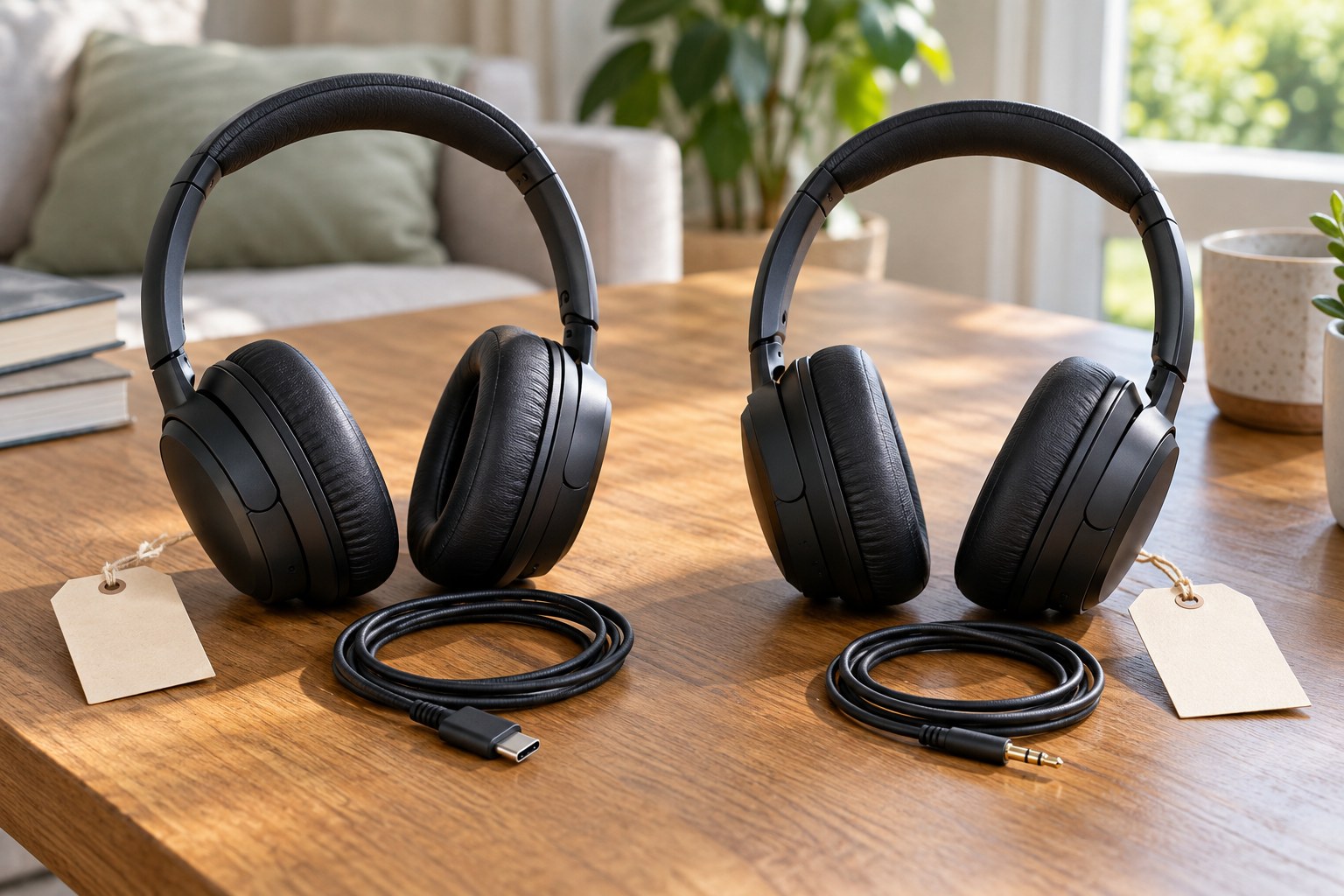
Compare the delivery with the order before packaging and paperwork disappear. Do model, quantity and contents match? Is there visible damage? Document specific issues with clear photographs and a brief description. An overall packaging image and a close detail serve different purposes. Keep the record proportionate to the actual transaction rather than extensively archiving every ordinary parcel.
When checking an item, note the important findings. For example, identify the connector that does not work or the size delivered. Specific information is more helpful than a broad statement that expectations were not met. For a personal fit decision, a factual explanation is enough; there is no need to invent a technical fault.
Use the appropriate process
Read the actual seller's information and establish the type of issue. A store’s voluntary return policy and a complaint about a defective item are different questions. FTC guidance recommends checking return policies and deadlines in the seller’s information. Do not apply a deadline remembered from another purchase to every order.
Use the designated contact or return route and keep the instructions received. Check the address, required labelling and associated order number. Sending a parcel to an unverified address can make identification difficult. Resolve contradictory instructions before dispatch rather than hoping the receiving location will redirect it appropriately.
Record the return contents and any dispatch evidence available. Where appropriate, remove your own data from returned devices using a process suitable for the equipment and issue. A return should not unnecessarily expose personal material to others. First establish what backup you need for your own files.
Close the transaction
Note the dates and substance of enquiries and replies. If a promised next step does not occur, those details allow a focused follow-up. Avoid an unstructured series of identical messages; a clear summary with essential facts makes the issue easier to understand.
For several similar orders, use an identifiable filename containing date, seller and a brief product description. Avoid unnecessary confidential details in filenames that might later be shared. File return evidence with the relevant order rather than in an unsorted general folder. Weeks later, you can still establish which parcel belongs to which transaction. This simple association reduces the chance of accidentally sending another purchase’s records during a follow-up and avoids repeating a search that has already been completed.
Finally verify that the agreed outcome actually occurred, such as a replacement delivery or payment. File the confirmation and result with the same order. Retain records for as long as needed for your purposes and any applicable obligations. Good filing provides an overview of your purchase; it does not guarantee a particular legal outcome. A completed status also prevents an already resolved issue remaining on a reminder list and consuming attention unnecessarily.