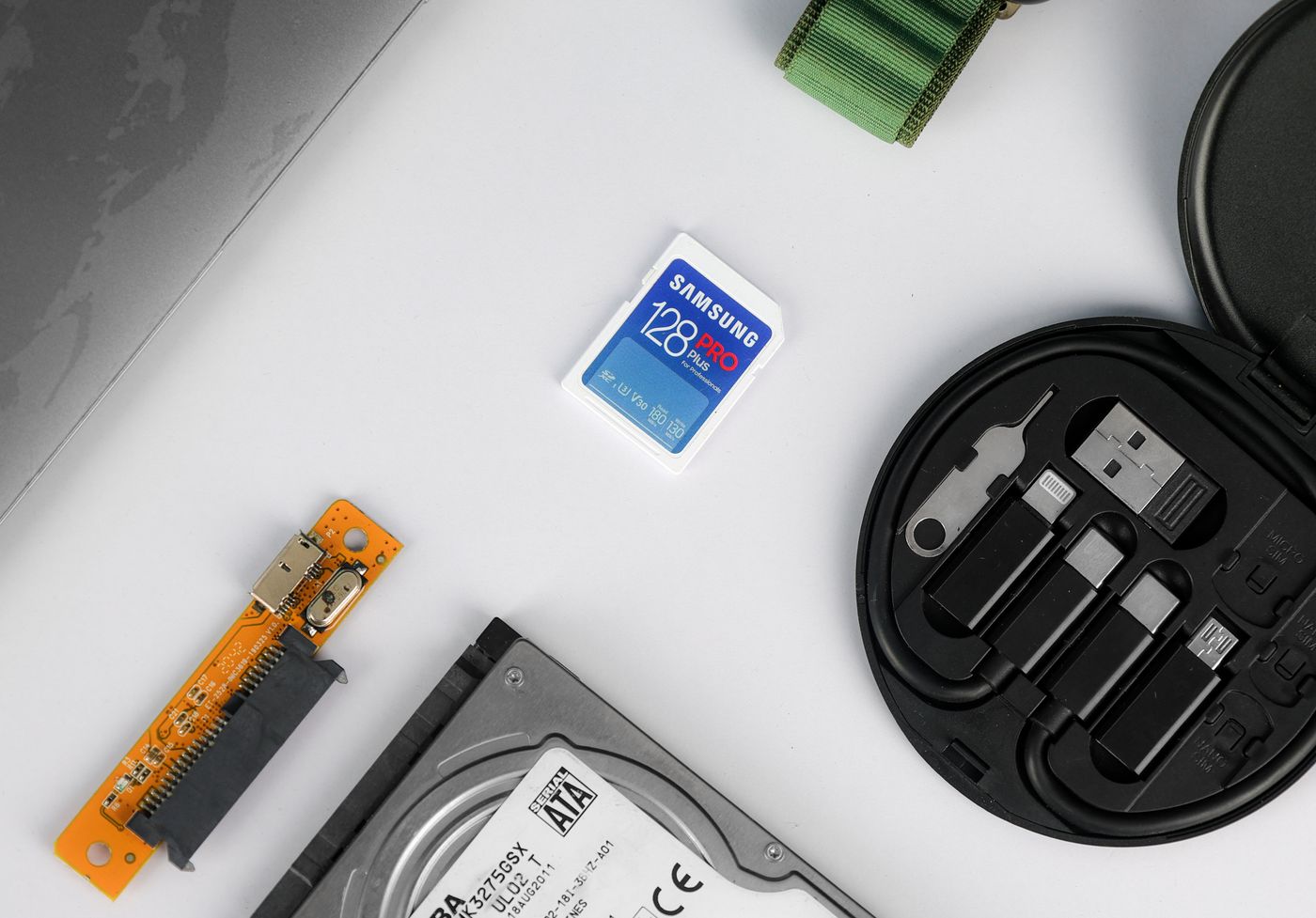
A memory card must suit the camera and intended recording mode. Maximum capacity or an eye-catching speed figure alone cannot establish that. Start with the exact camera's instructions and their requirements.
Verify standard and capacity
Record supported card types and capacities. The SD Association recommends checking device compatibility with the relevant SD standard through markings and manufacturer information. A card that physically fits is therefore not automatically usable in every camera. Consult the specific model's documentation.
If an adapter is needed, verify its intended use as well. An adapter does not arbitrarily change the capabilities of the card or camera. Choose a documented suitable combination rather than experimenting with an unclear arrangement merely because a multipack is inexpensive.
Define the recording function
Separate individual photographs, rapid sequences and desired video settings. Required card performance may depend on that choice. The SD Association explains speed classes as defined performance markings. Match the camera's required class to the card rather than confusing it with any prominently advertised maximum figure.
Consider transfer afterwards too. A reader and computer port affect the process of copying files. An especially fast card does not automatically make the entire workflow equally fast. Pay for capabilities relevant to the actual combination. This prevents an expensive specification from becoming unused potential in an otherwise limited setup.
Connect capacity with backup
Estimate needs from normal shooting and the interval before files are transferred. A very large card can be convenient but also gathers many not-yet-backed-up files in one place. Plan regular backups independently of card size.
Use an identifiable seller and retain model information. Check a new card with the intended equipment before an important recording depends exclusively on it. Follow the camera's preparation and handling instructions. The appropriate card satisfies documented requirements and fits your file-management routine; it need not be the largest or most expensive version offered. Compatibility and an understood workflow provide a better basis for the purchase than capacity alone.