Multipacks rarely fit neatly into whatever space happens to remain. Before an offer increases the household stock, decide where the goods will go and how they will stay accessible. A shelf is not just an area to fill; it supports the process of taking items out and buying replacements.
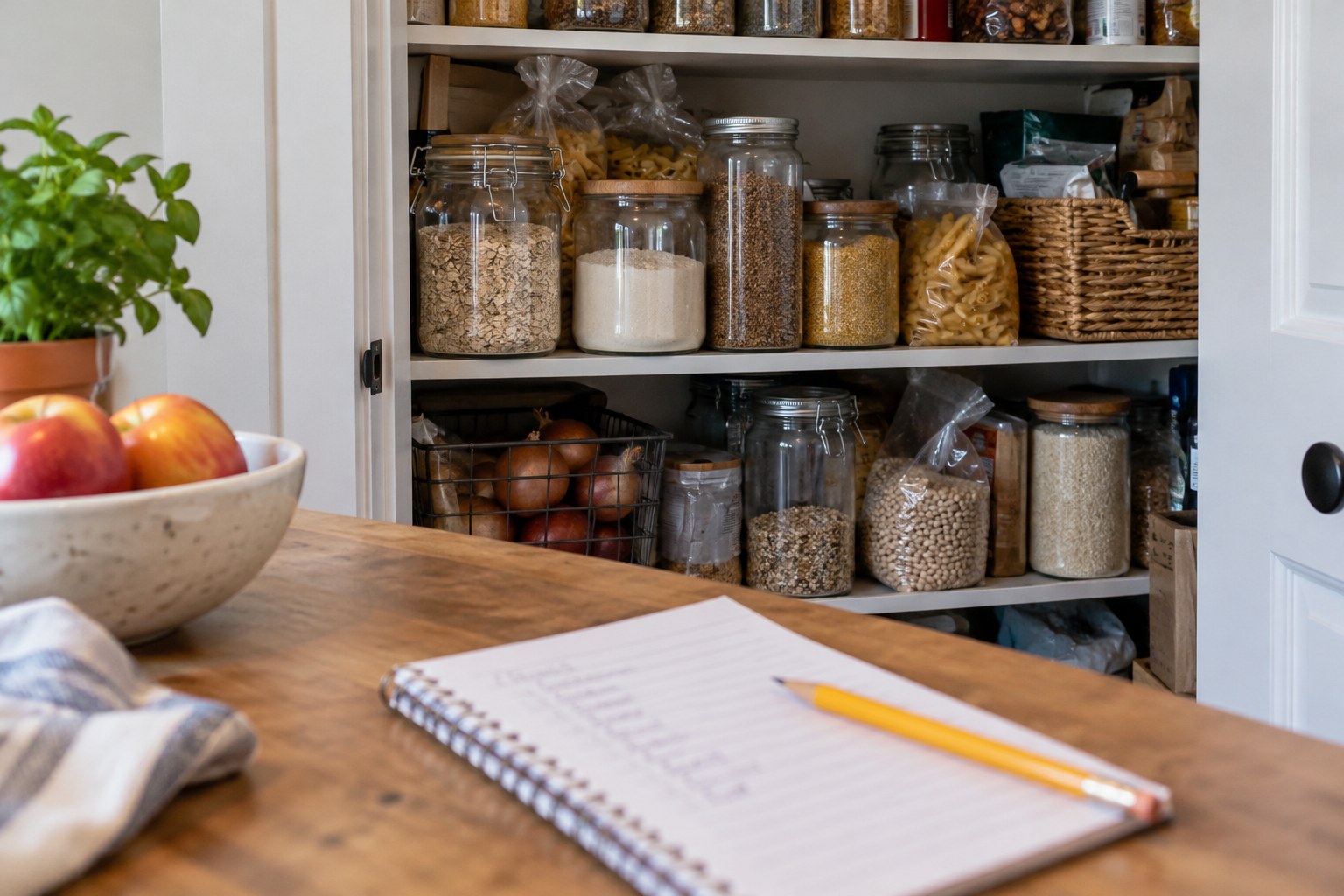
You do not need to reorganise the entire room. Start with one shelf and identify its contents. Separate open packages, unopened reserves and objects that belong elsewhere. This reveals the usable space without immediately buying more storage equipment.
Full depth is not always useful depth
A deep shelf holds plenty, but its back row is easily forgotten. Arrange goods so existing stock can be seen and removed. A small reserve directly behind the same product is often easier to understand than several mixed rows.
The shelf's load limits and the products' specified storage conditions still apply. Heavy packs should not go on a particular shelf solely because it has room. Check the furniture information and keep access routes clear.
Give each product a boundary
Set aside a defined area for frequently purchased supplies. If it is full, another promotional pack needs a specific reason. The boundary can be a compartment or a marked row; it does not require an app.
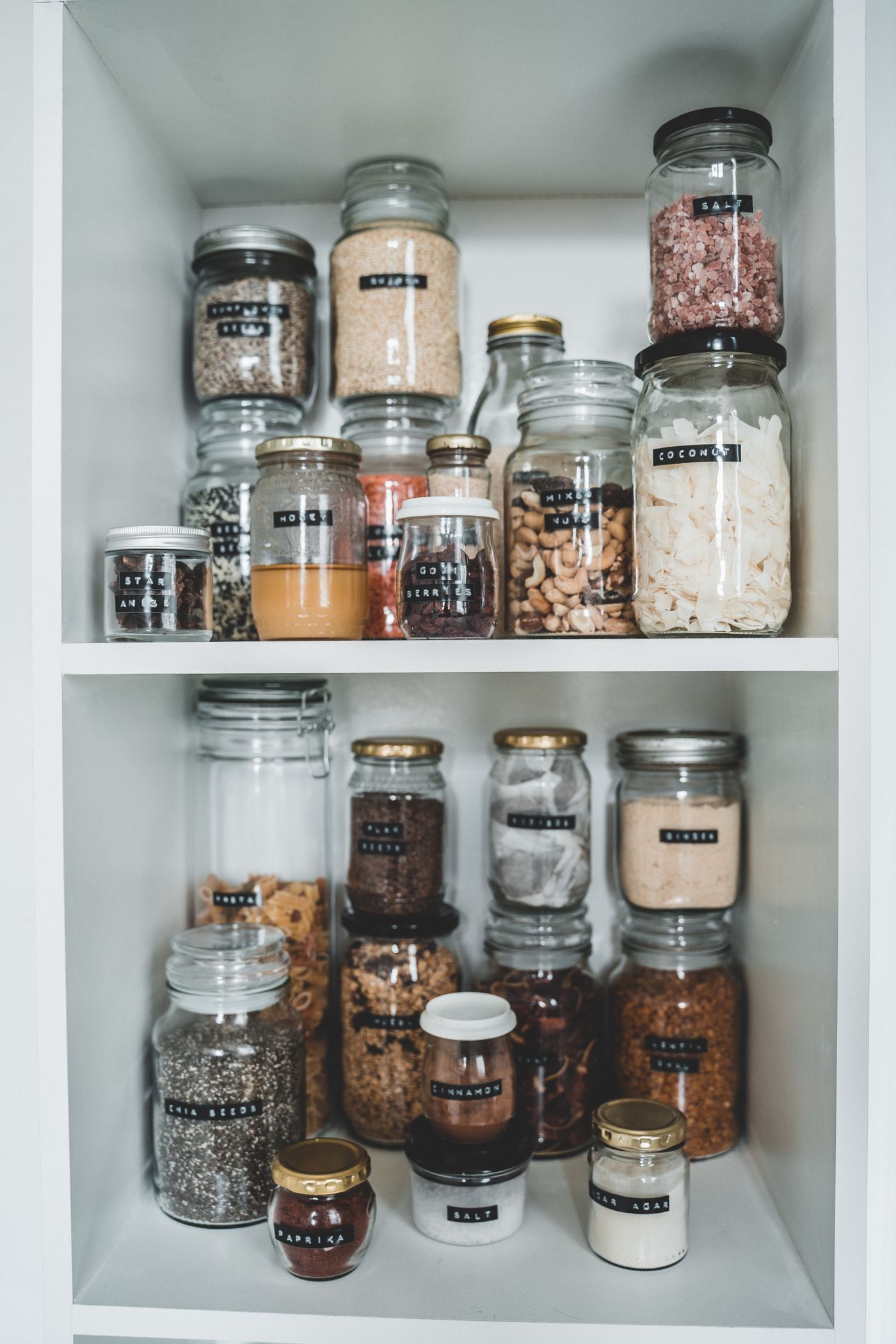
Allow for different packaging shapes. A large flexible bag behaves differently from several cans. If the bag needs another container after opening, include that container's space in the plan. Avoid buying more units than the intended arrangement can keep manageable.
Make replenishment visible
A simple note beside an almost-empty space can prompt the next purchase. This prevents ordering by guesswork while several packs remain at the back. In a shared household, agree whether the last item or the last reserve triggers replenishment.
Over time, you will see which goods actually move through the shelf quickly. That observation is more useful than a general aim to hold as much stock as possible. An orderly shelf can keep modest quantities reliably available, while an overcrowded one can still produce duplicate and forgotten purchases despite the money spent filling it.
Review the layout when a commonly bought pack changes size. A previously workable row may no longer fit, and changing the order can solve the problem without adding another storage unit.