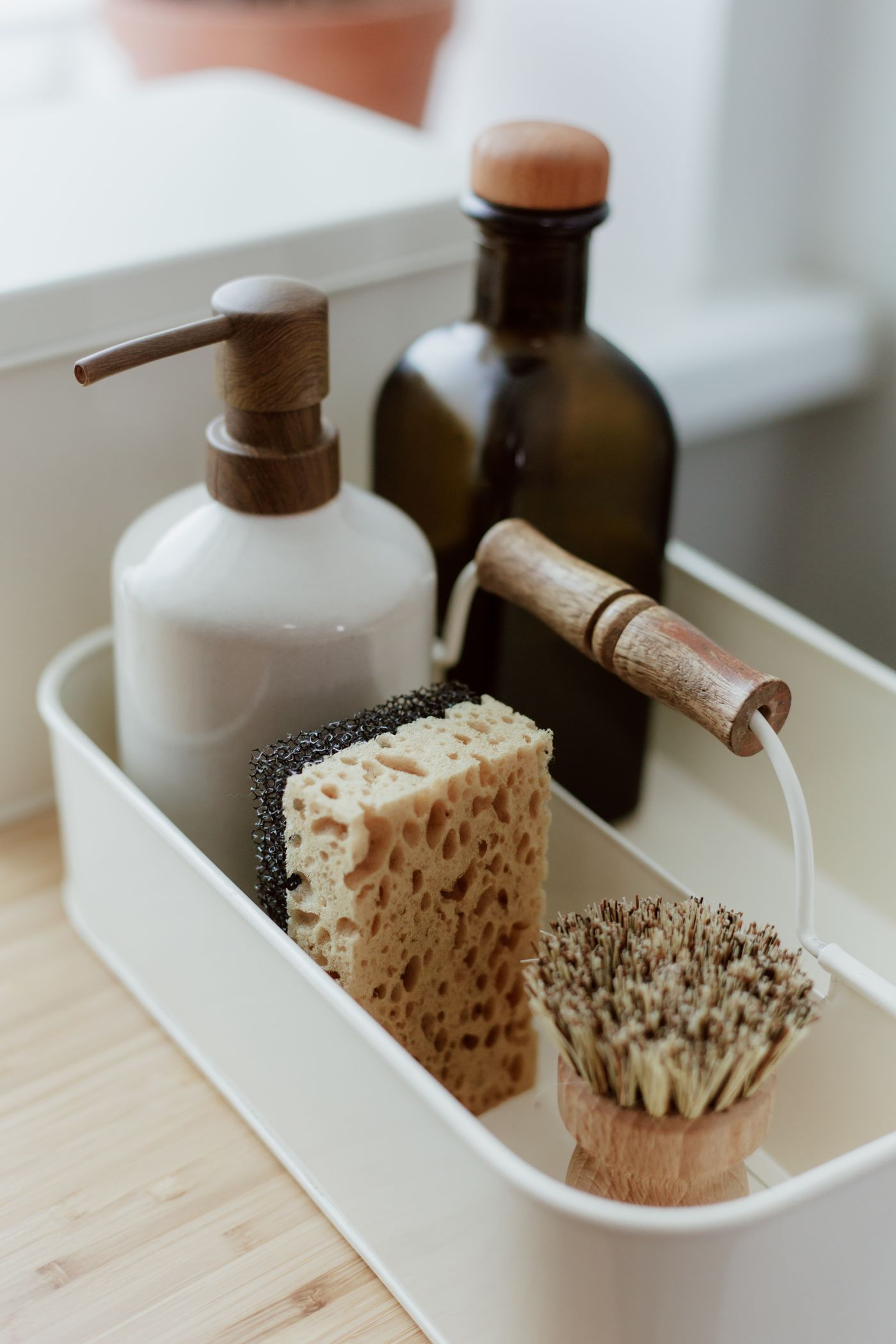
A cleaning cupboard can contain several bottles for similar tasks while lacking guidance for one delicate surface. A planned purchase therefore begins with the materials in the home rather than the number of products on the shelf. The important questions are what needs cleaning and which treatment is intended for it.
Walk through the kitchen, bathroom and living spaces. Record worktops, flooring, taps, glass and particularly delicate furniture. An exact material description is more useful than a guess based on appearance. A coated panel may require different treatment from a surface that simply looks similar.
Make a small matching list
Find the relevant care guidance for each surface. It may come from the manufacturer, landlord or paperwork supplied with furniture. If the material is uncertain, establish it before buying a harsh or abrasive product. A bottle's price is a minor issue if the contents are unsuitable for the surface.
Next, identify which products already in the cupboard are labelled for those uses. One product may cover several tasks, but that should follow from its intended application. A “universal” description on the front does not cancel restrictions on the back. Keep the packaging with its directions and warnings.
Four columns can make the exercise manageable: surface, approved cleaning method, existing product and missing tool. The final column may call for a soft cloth or suitable brush rather than another cleaner. This treats the chemical product and the physical cleaning tool as parts of the same task.
Describe the ordinary job
A table wiped regularly presents a different problem from an isolated stubborn stain. Do not buy the whole cleaning supply around the rarest exception. For an unusual mark, asking the surface manufacturer may be more useful than purchasing several products in succession.
Record how often the job actually occurs. A weekly product needs a different stock level from something used only once so far. Large packs add little value when they sit forgotten for years. A missing closure or unreadable label also makes reliable identification harder.
Do not mix cleaning products in an attempt to increase their effect. Use them according to their labels, including the specified protection and ventilation guidance. This purchasing plan is not a substitute for a product's directions. A pleasant fragrance does not establish that a cleaner is suitable for every material.
Compare application costs consistently
For a ready-to-use product, the quantity in the bottle is a starting point. A concentrate also requires its specified dilution or dose to be considered. Compare the same task under similar conditions. A cleaner intended for another surface is not a meaningful reference just because its litre price appears alongside the first one.
Include accessories that genuinely need buying. A particular spray head, replacement pad or container usable only with that system belongs in the purchase cost. Suitable tools already owned need not be bought again simply because a set includes them.
Organise by task, then replenish
Arrange products so their labels remain visible and their stated storage conditions can be followed. In homes with children or pets, prevent access as directed by the warnings. Do not transfer products into drink bottles or other containers that could be mistaken for something else.
Work through one kitchen
Suppose a kitchen has a coated worktop, a sink and a floor with its own care instructions. Two suitable products already cover these surfaces. A new six-bottle set is not automatically an improvement: first identify which task remains unresolved. Perhaps only an appropriate sink-cleaning tool is missing, while most of the set duplicates functions already covered.
When changing products, record which existing one is being replaced. Otherwise old and new versions remain open together and may later be confused. If the dose changes, the measuring aid should be clearly associated with the new product. A familiar cap from the previous bottle is not automatically a suitable measure.
In a shared home, a straightforward assignment at the storage location can help. A short list pairing each surface with its intended product reduces uncertainty without requiring another app. It supplements readable original labels rather than replacing them. The selection then remains understandable even when the person buying the supplies does not perform every cleaning task.
The next shopping trip can then use a short replenishment list. Replace a bottle because the appropriate product is missing or running low, rather than because the collection looks incomplete. Review the matches when a new floor, worktop or furniture item arrives. That changes the actual cleaning task and may change the sensible product selection too.