A new webcam does not solve every lighting problem. If a bright window sits directly behind you, assess the workstation position first. Only then can you determine which camera features are actually needed.
Inspect the existing picture
Open the preview in your usual calling software at a representative working time. Note whether your face appears dark, the background is very bright or the framing is unsuitable. Change one surrounding condition at a time so its effect remains understandable. A different seating direction may matter more than additional camera resolution.
Consider whether an existing suitable room light can be positioned more usefully. Avoid improvised mounting or distracting glare. The aim is a usable conversation image rather than an elaborate studio setup. Buy an additional light only when its purpose is clear.
Compare relevant camera functions
Match the field of view to the intended picture. A wide view shows more of the room but may reveal more background than you want. Check available adjustments and whether they work with your operating system and calling application. A feature in the manufacturer's software is not necessarily equally available everywhere.
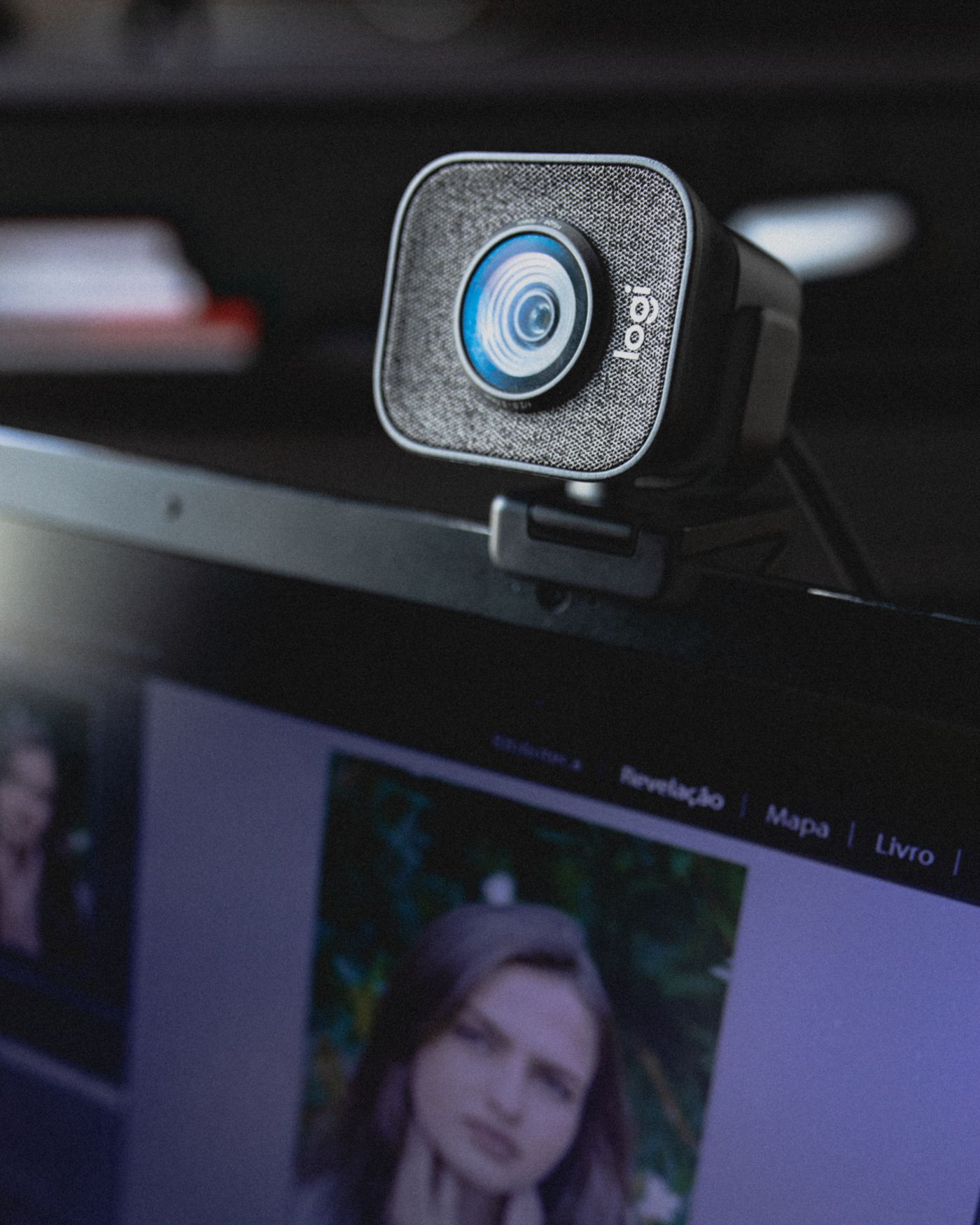
Inspect mounting on the existing display. The camera should sit securely without hiding important screen content. A tripod connection may help when a separate mount is planned; include that mount's space and cost. Cable length and connector should support the arrangement without tension. These physical details determine whether the camera can actually occupy the preferred position.
Assess sound separately
A better picture does not automatically produce better sound. If you already have a suitable headset, its microphone may remain the appropriate choice. Check which source the calling software selects so that a more distant microphone is not accidentally used.
Choose around a realistic call setup. High resolution is one characteristic alongside lighting, framing, mounting and software support. If repositioning makes the existing camera sufficient, another purchase is unnecessary. If a specific limitation remains, you can then select an addition addressing that limitation rather than paying for unrelated headline features. This makes the equipment decision follow an observed problem.