A loose hem or straightforward seam does not automatically require a machine with numerous decorative stitches. More important are suitability for your fabrics and understandable threading and basic adjustments. An economical purchase should simplify getting started rather than create additional puzzles.
Collect the actual repairs
Set aside representative garments and describe the intended work. Thin woven material, a stretchy shirt and several heavy layers place different demands on equipment. Check the manual's intended materials, needles, threads and stitches. Suitability for one task does not establish convenient performance on every other task.
If you are inexperienced, a demonstration using similar material can help. Ask to see the process from threading to a basic seam instead of looking only at a finished sample. A neatly sewn display piece says little about how easily you will locate the required settings yourself.
Prioritise operation over stitch count
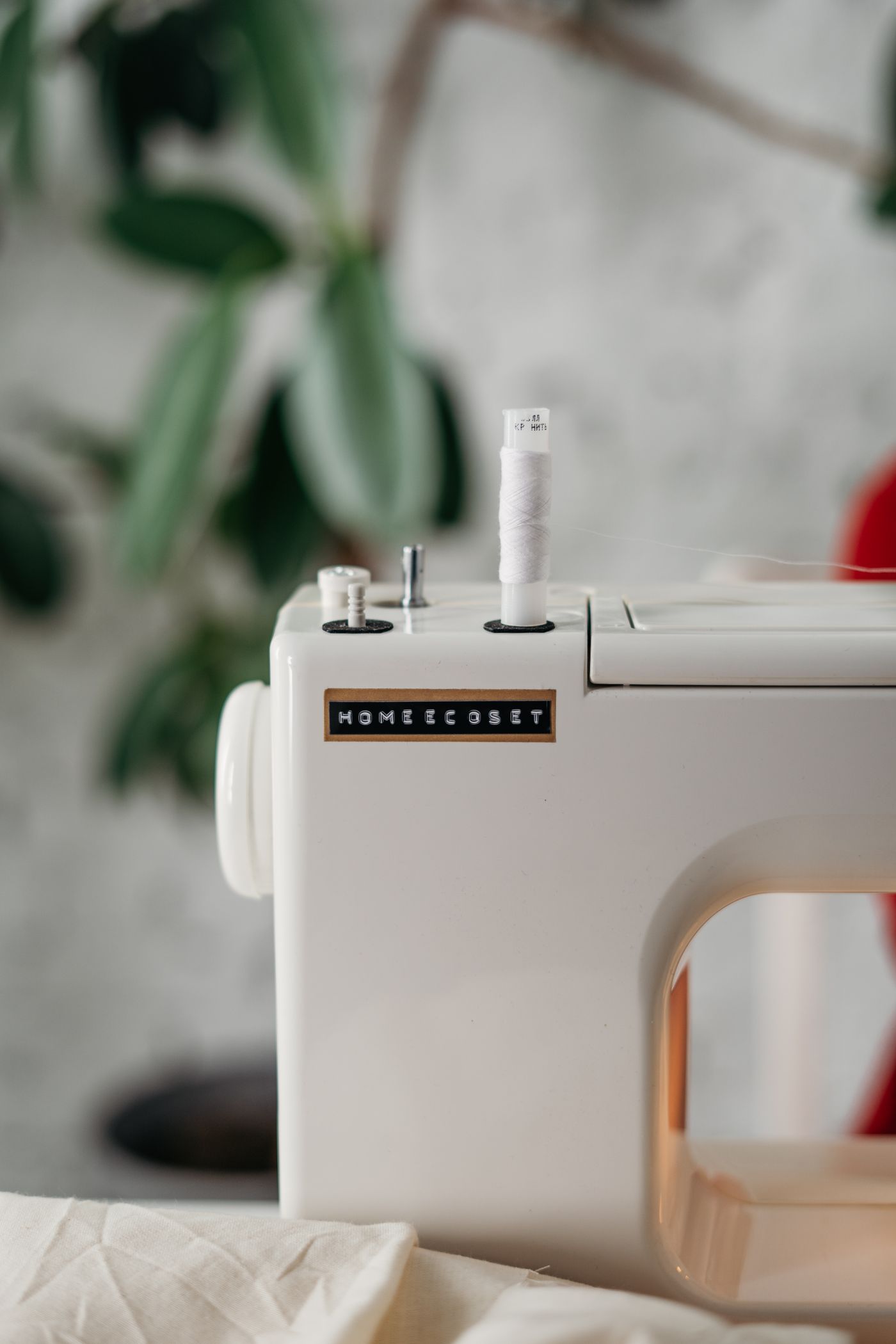
Check how the upper thread and bobbin are fitted and whether you can see the working area clearly. Lighting, labels and control access affect every session. A straightforward machine with the necessary core functions may therefore suit you better than one with many rarely used options.
Assess the workstation as well. The machine needs an appropriate stable surface and space beside it to guide fabric. Measure storage if you will put it away after each repair. Weight and a carrying handle then become part of the decision, not merely details about the shipping box.
Check accessories and assistance
Record the included feet, bobbins and needles and identify those you need. Find compatible replacements through the precise model. Similar-looking accessories can still have different fittings. An accessible manual and clear support are particularly valuable when an adjustment becomes confusing later.
Budget for the small tools necessary for your actual repairs, but avoid a large accessory package without identified uses. If you are only experimenting with occasional repairs, borrowing a suitable machine or attending a class may first reveal which functions matter. An eventual purchase should match recurring work rather than an imagined future collection of sewing projects. That keeps both the machine and its accessories purposeful.