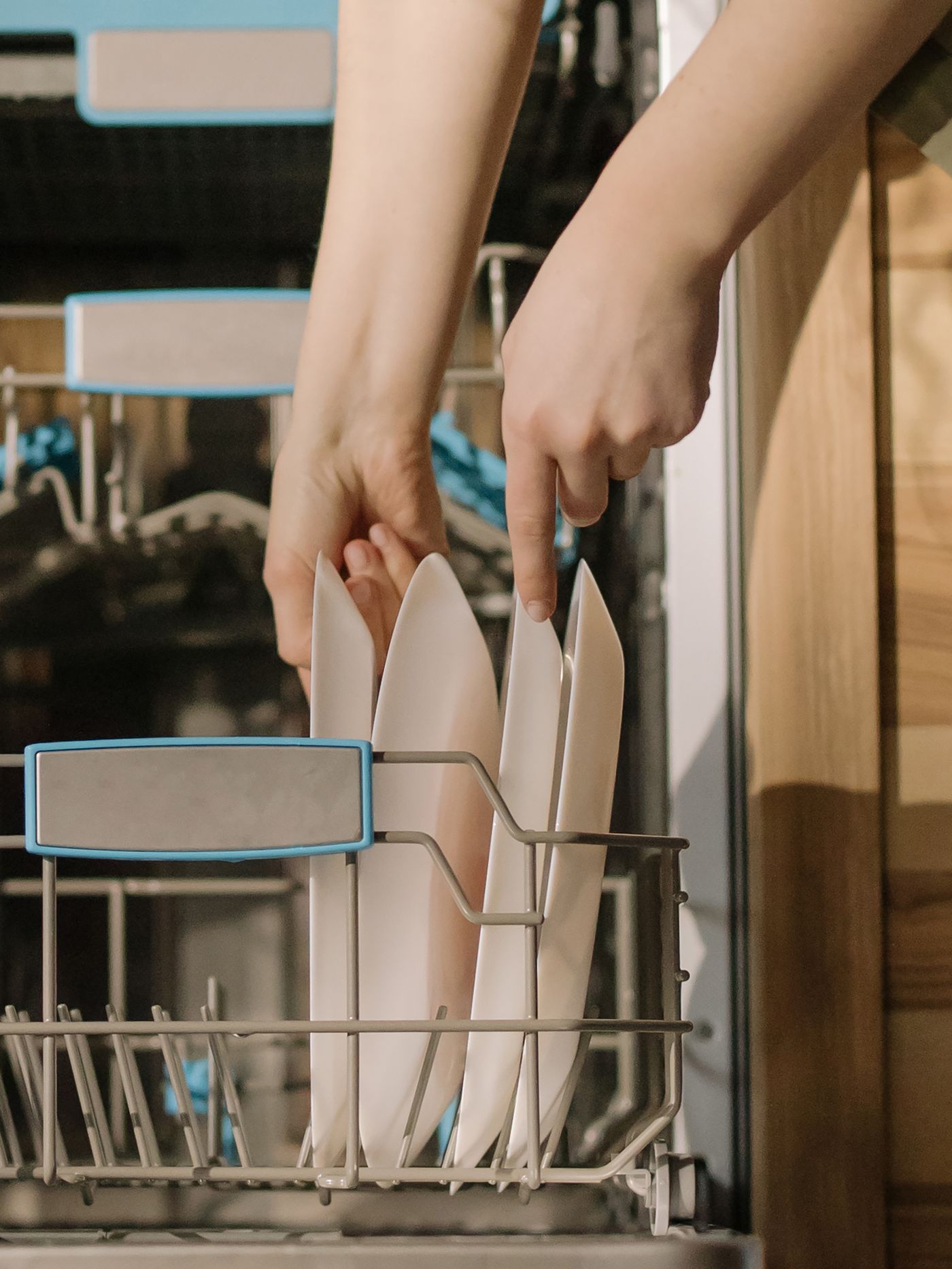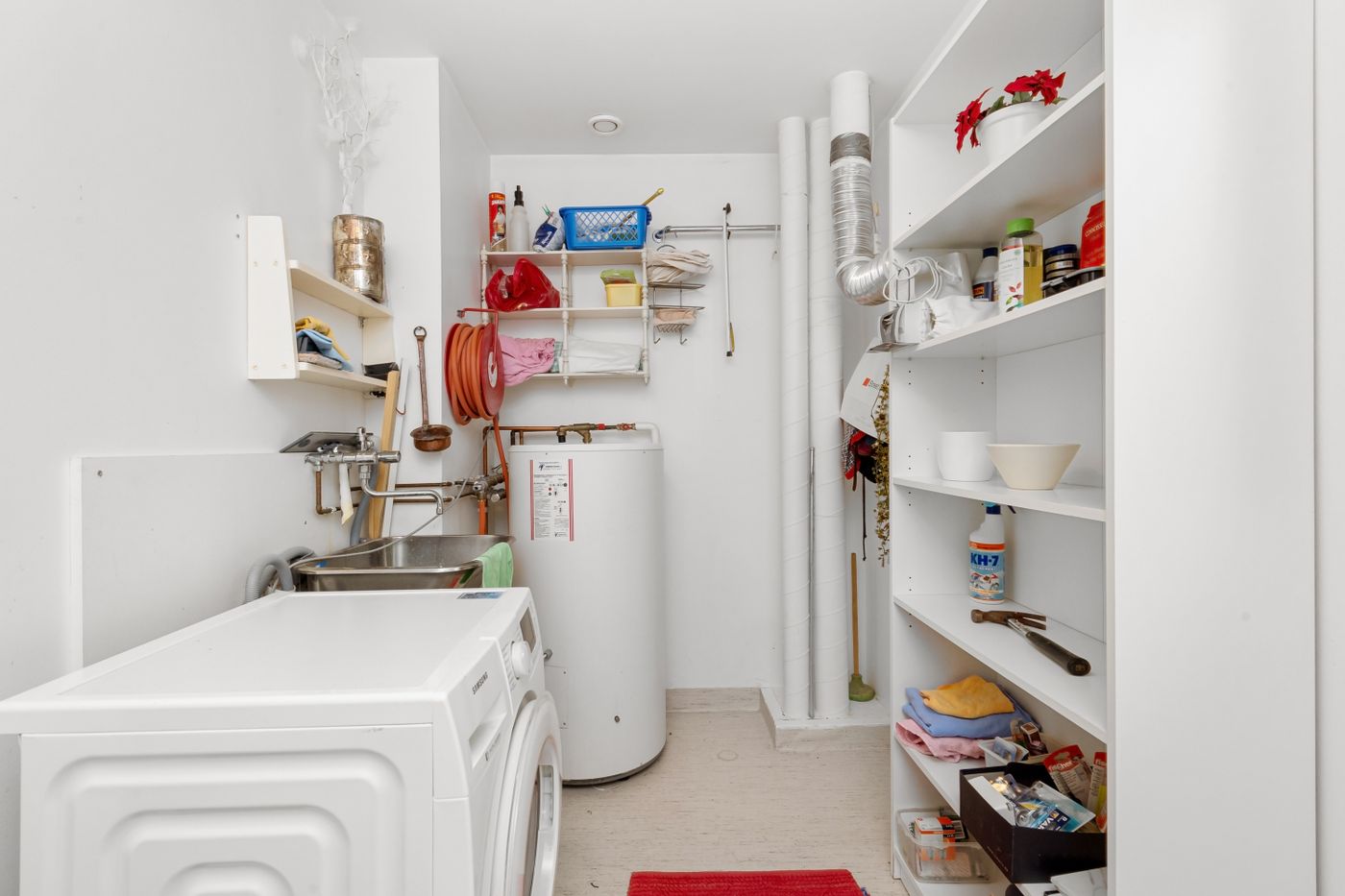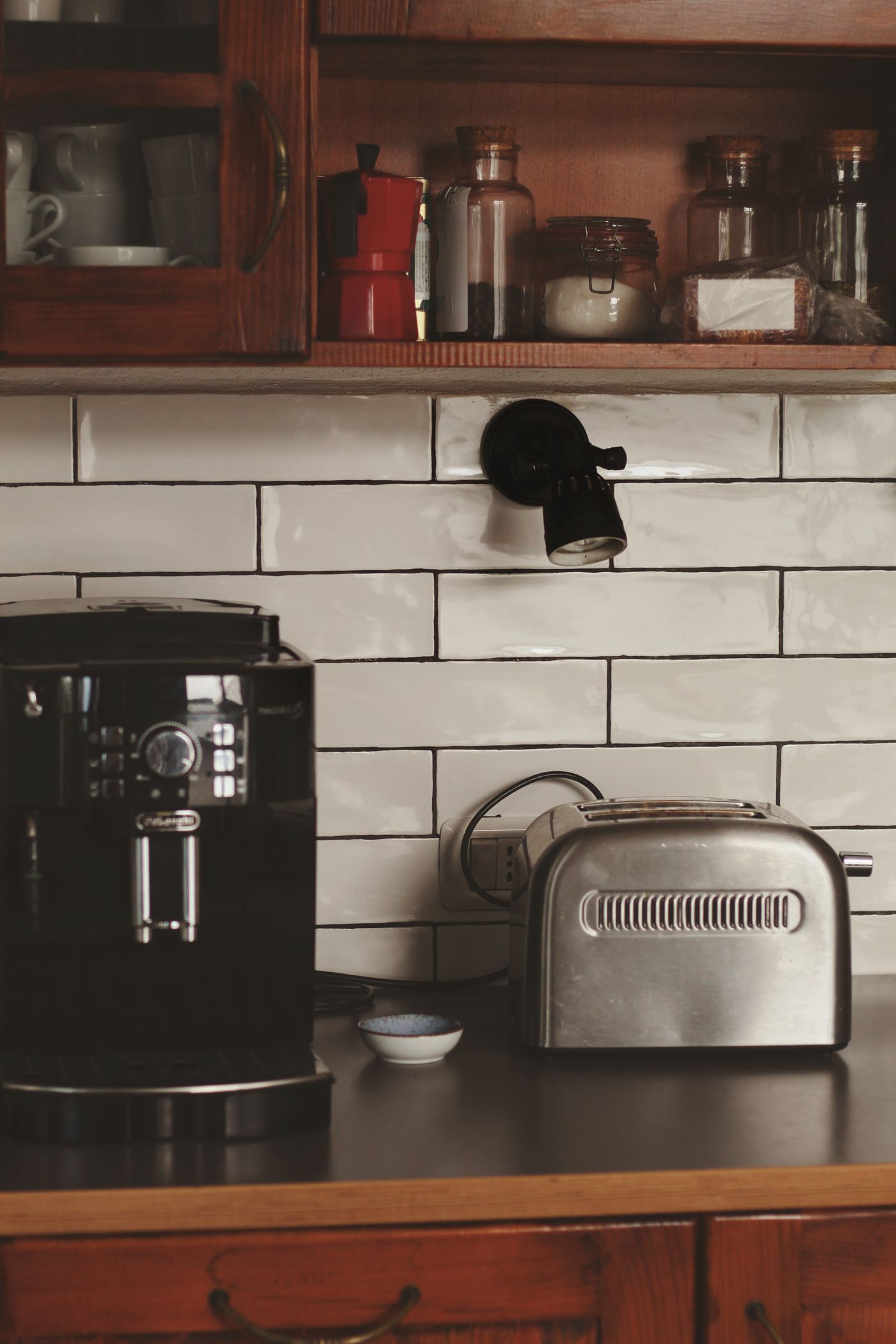
In a shared kitchen, people share worktop space and cleaning responsibilities as well as the appliance. A new blender or coffee machine should fit the collective routine. The cheapest individual decision can otherwise produce a crowded and inconvenient workspace.
Define the job and responsibility
Agree which task the new appliance will perform and who will actually use it. If suitable equipment already exists, establish why it is insufficient. Poor cleaning, unclear access or a missing component may be resolved without buying a second machine.
Discuss cleaning specifically: which parts need attention after use, where will they dry and who will handle occasional maintenance? A general agreement that everyone will be careful is often less useful than a clear process. Follow the manufacturer's requirements regardless of which person is cooking.
Avoid allocating space twice
Mark the intended position with the necessary clearances. If another appliance must be moved every time, that needs an agreed routine. Check sockets and cable routes rather than combining several high-powered appliances through an uncertain temporary electrical arrangement.
Plan accessory storage too. A large bowl or several attachments can occupy more cupboard space than the main appliance. Give everything a permanent location and identify model-specific small pieces where useful. This reduces accidental combinations with unrelated lids or unsuitable accessories. The arrangement should still be understandable when someone who rarely uses the machine needs it.
Share the complete cost
If purchase expenditure is split, also discuss consumables, care products and future parts. Equal purchase contributions do not necessarily mean equal use. The arrangement need not be elaborate, but should be clear beforehand and account for someone moving out later.
Choose controls that all intended users understand. Personal app accounts or elaborate profiles can add friction in a shared space. A simpler appliance with clear care requirements and a permanent position may therefore fit better. The relevant question is whether it improves the collective routine, not whether it offers the most features to one person. A short agreement about ownership, access and maintenance makes the purchase more useful than an unplanned collection of appliances.