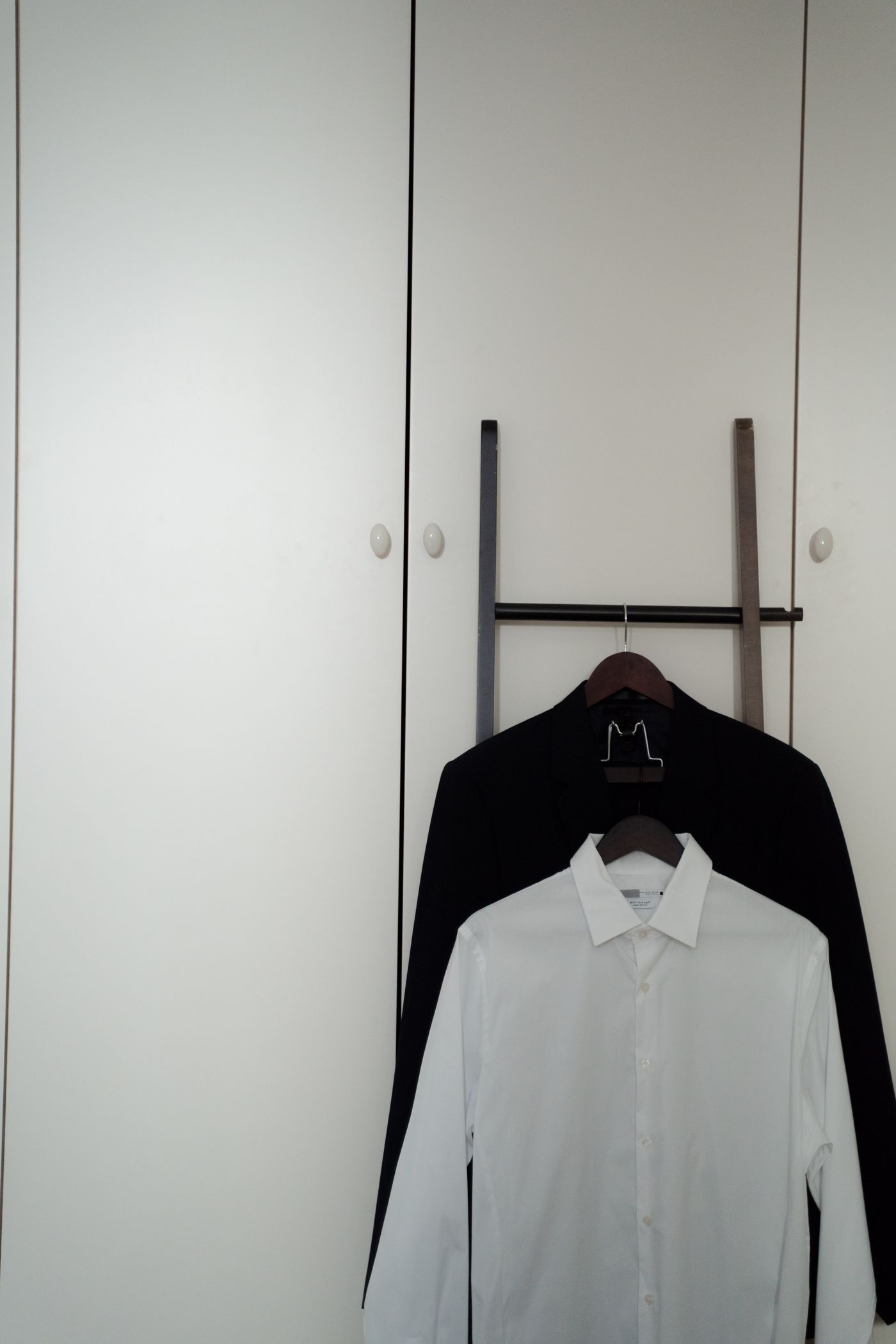
Your usual size is a starting point, not a complete description of fit. Cuts and size charts can differ. When shopping online, take out a garment you already own that has a similar shape and fits well. Close-fitting jeans are not a useful measuring reference for wide tailored trousers.
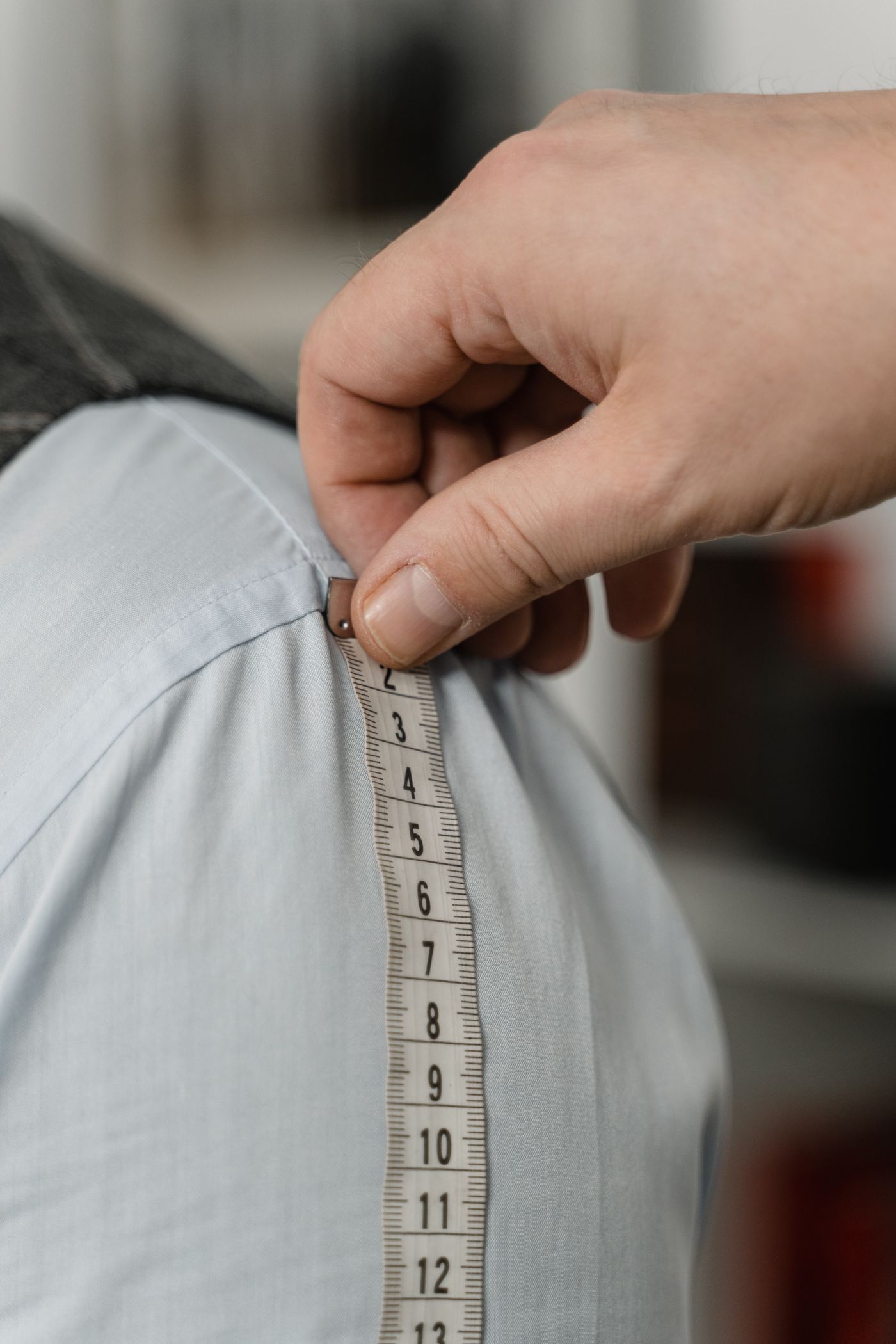
First establish whether the seller lists body measurements or dimensions of the finished garment. That distinction matters. A waistband measured flat cannot be compared directly with a body circumference without understanding the method. Look for measuring instructions and follow the same approach. If the start and end points remain unclear, ask for an explanation or diagram.
Choose a few relevant dimensions
For trousers, waist, hip, inside-leg length and rise can be particularly informative. For a top, chest width, shoulder area, sleeve length and overall length may matter. You do not need every possible measurement. Concentrate on areas where clothes frequently fit poorly and on the shape you want from this particular purchase.
Lay the reference garment flat without stretching it unnaturally. Record the measurements together with the method. Stretch fabrics may have different relaxed and extended dimensions; a single figure does not always explain that range. Also examine photographs and the cut description, while recognising that these cannot guarantee fit.
Consider intended layers. A jacket worn over a light shirt serves a different purpose from one worn over a thick sweater. Compare it, if possible, with a jacket you use the same way. Footwear and your preferred hem position also affect whether trousers feel right, so include those in the comparison rather than treating length as an isolated number.
When the parcel arrives, try the clothes in clean conditions with the intended combinations. Sit, raise your arms and walk a few steps where appropriate for a careful fitting. Leave tags in place until you have decided. Keep the recorded measurements and add notes about what actually fitted well. Over time, that personal reference can be more useful than repeatedly ordering the same size label. It also makes a specific question to a retailer easier to explain when an important dimension is missing.