Empty your current wallet before selecting another. Separate regularly needed cards and cash from old receipts and rarely used objects. A larger replacement is not always necessary; sometimes the contents have simply accumulated without a current purpose. Keep important records somewhere appropriate rather than discarding them indiscriminately.
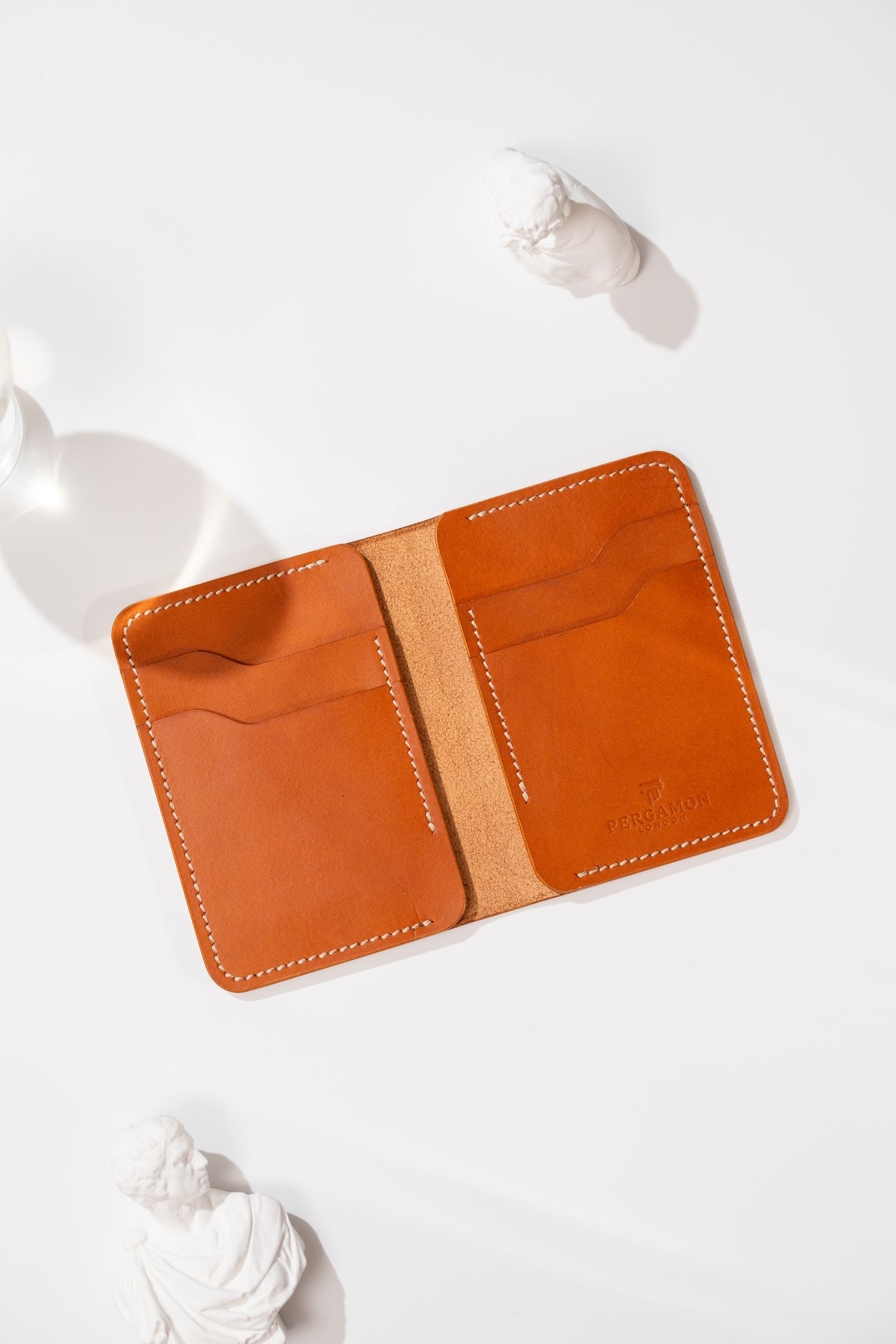
Count the cards that genuinely need to travel with you. Allow for their thickness and any protective sleeves. Squeezing several cards into one tight slot can make access awkward. Conversely, a wallet with numerous compartments is unnecessary when you mainly use two cards and a little cash.
Check cash storage and access
If you use coins, test the coin pocket's opening. Can you see the contents without tipping everything out? Does it suit the amount normally carried? A tiny closure can be more troublesome than a slightly larger format. For banknotes, consider whether you want them folded and which sizes you regularly handle.
Compare the filled shape with the bag or clothing pocket where the wallet will sit. Empty exterior dimensions do not tell the whole story. A slim design may become much thicker with the intended contents. Check whether the press stud or zip closes comfortably at normal capacity without constant rearrangement.
Special protection claims should be explained clearly. Do not buy an elaborate extra merely because an advertisement makes a worrying general statement. Identify the particular problem it would solve for your belongings. A clear, usable layout may matter more in everyday life than several rarely needed features.
After purchase, make a trial load and retrieve the most frequently used cards several times. Avoid automatically filling it with unnecessary receipts again. A wallet is suitable when ordinary contents fit visibly and without pressure. Its useful size follows that routine rather than the largest advertised card-slot count. Keeping the contents list makes a later replacement easier to choose and helps you notice when a change in payment habits has made some compartments unnecessary.