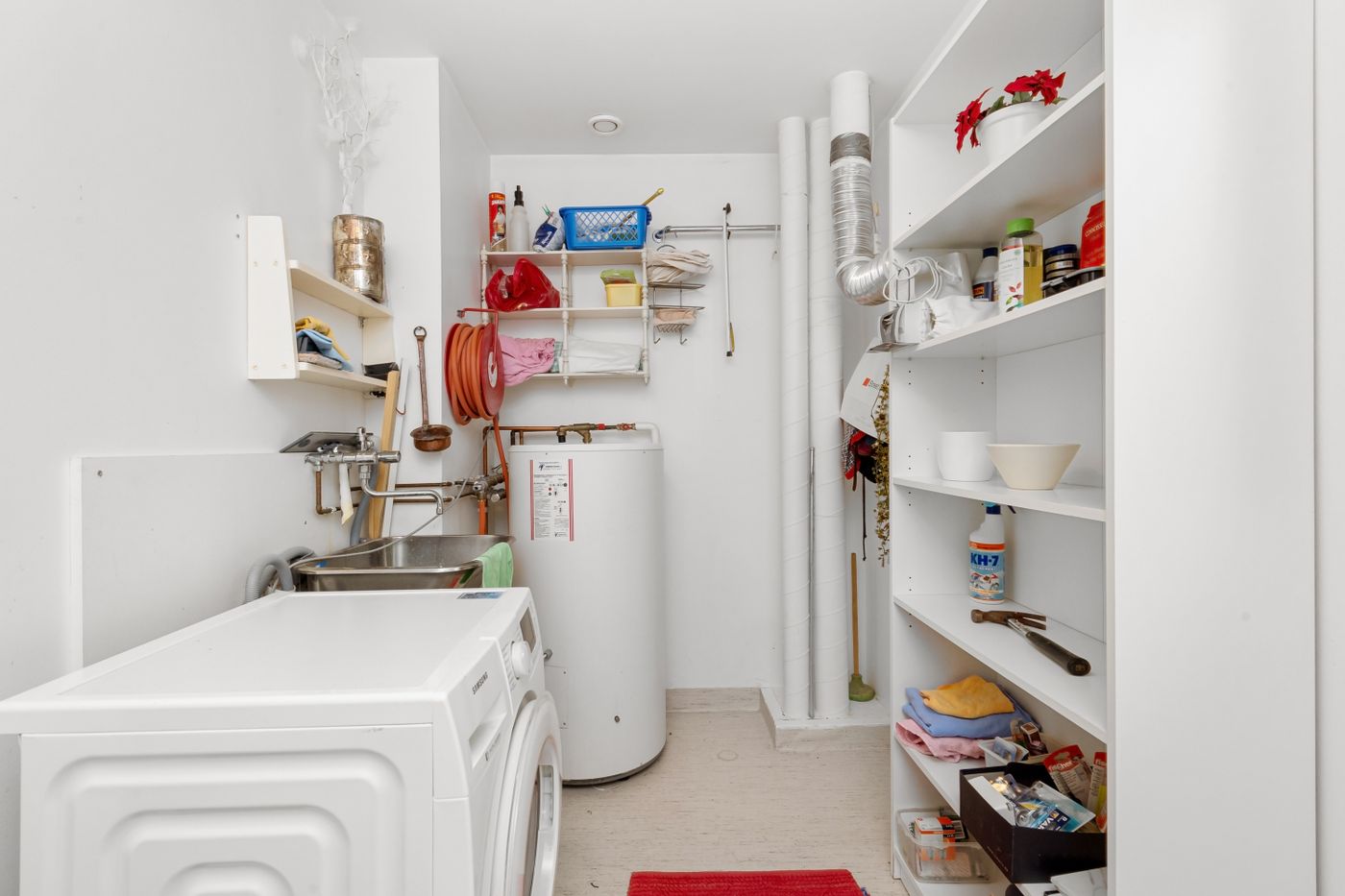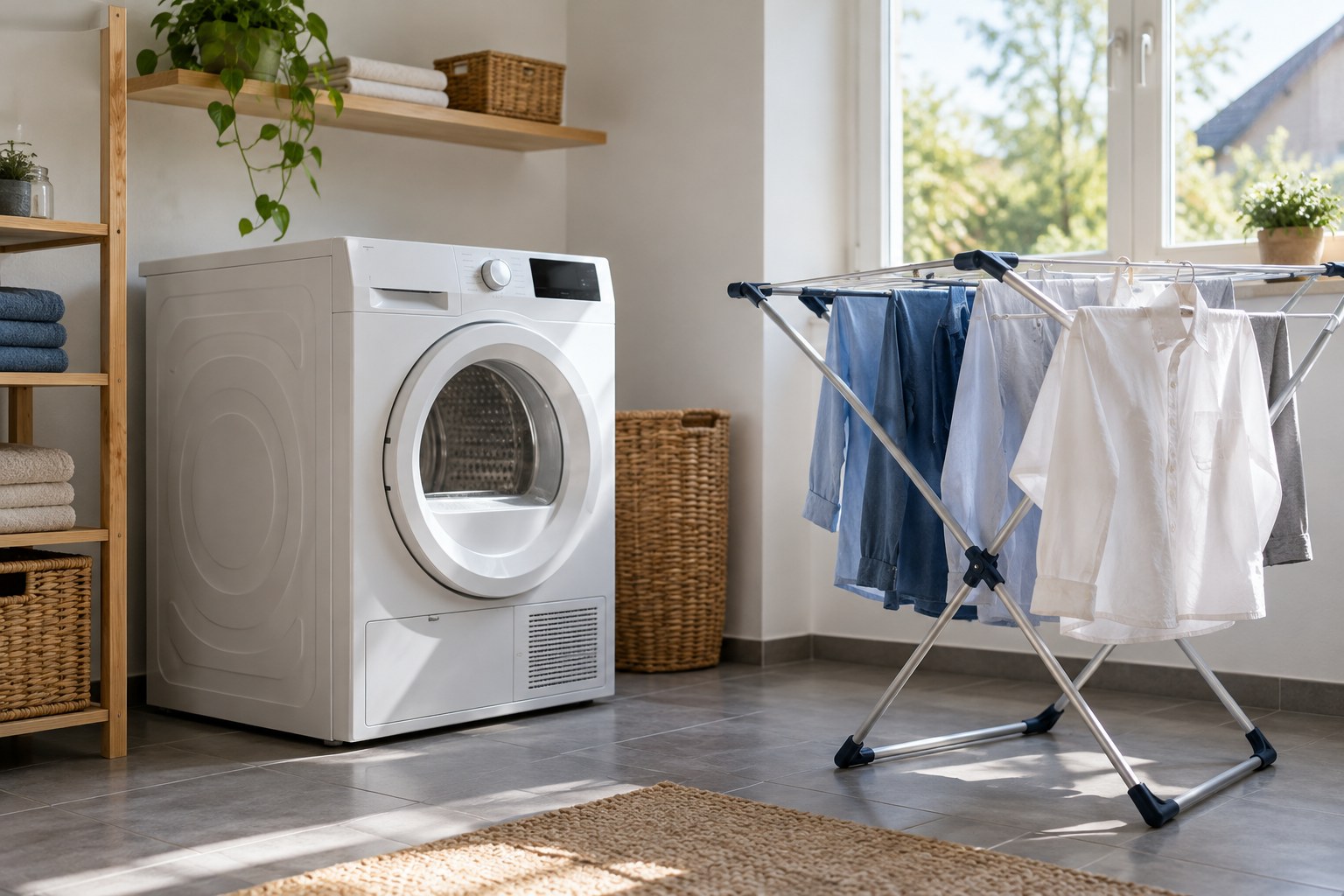
Choosing between a heat pump dryer and air drying starts with the home rather than a discount. A drying rack filling the only living room creates a different problem from laundry drying on a sheltered balcony. A dryer also needs a permanent suitable position, and it must be appropriate for the fabrics you expect it to handle.
Use two weeks of laundry as evidence
List the loads you regularly wash and the items needed again quickly. Towels, bedding and work clothing may have different deadlines. Read care labels before counting them as future dryer loads. Anything unsuitable still needs another drying method, so buying a machine may not eliminate your rack altogether.
Record when you are at home as well. Someone leaving early each morning needs a routine that does not depend on repeatedly rearranging damp clothes. Someone with generous drying space and time may value the same machine differently. Consider both an ordinary week and a difficult winter week, rather than assuming summer conditions throughout the year.
Include space and maintenance
Measure a fully opened rack and the walking space around it. Laundry should not routinely prevent you using an important room. Indoor air drying also releases moisture into the home: use ventilation appropriate to the building and obtain professional advice for persistent damp problems. A shopping comparison cannot diagnose a building's moisture problem.
For a dryer, check its placement requirements, maintenance access and arrangements for the water container or specified drain. Only plan to stack appliances when the exact combination and connecting kit are approved for that purpose. An apparently spare patch of floor is not a complete installation assessment. Filter care and unloading also take time, even when drying itself is automatic.
Calculate with your own frequency
Look for documented consumption information for the exact model and the conditions used to obtain it. Scale a per-cycle figure only when its assumptions suit the loads you expect. In an invented example, 1.2 kWh per cycle and 150 cycles a year equal 180 kWh annually. This is arithmetic, not a specification for a recommended dryer. Use actual model information and your electricity rate before estimating costs.
Air drying has no dedicated machine electricity consumption, but it can demand space and organisation. Avoid assuming it is costless in every building, or that a dryer must pay for itself through savings. Separate the purchase price, any installation equipment, electricity and the value you place on recovering usable space. This makes the trade-off visible without assigning a fictitious cash saving to convenience.
A mixed approach may solve the bottleneck: selected suitable loads in the machine, delicate or occasional items on a rack. Before buying, identify the recurring problem the dryer will take over. A few difficult weeks may justify a different laundry schedule instead. A home that constantly lacks drying space presents a more concrete reason to consider the appliance.
Walk through a mixed week
Suppose bedding repeatedly causes the bottleneck while lighter clothing dries adequately on the existing rack. Compare a limited dryer role rather than treating the choice as all-machine versus all-air drying. List which suitable loads would actually enter the dryer and which would still be hung. This avoids justifying permanent appliance space through an unrealistic picture of never needing a rack again.
Also consider whether wash days could be distributed differently. If two large loads currently compete for drying space together, a changed schedule may reduce the problem. If organisation already works well and space remains persistently inadequate, that is stronger evidence for additional equipment. This check is not intended to prevent a purchase, but to establish precisely which job the new machine would take over.